Big City Toronto, Small Town Ajax

We lived in Toronto for many years. A renowned city defined by its richly diverse cultural neighbourhoods, dynamic arts, food, and entertainment scenes, and a vibrant downtown crowned by an iconic skyline. A major hub for sports, attractions, and world‑class events. Indeed, a beautiful and deeply beloved city. Eventually, however, we moved to Ajax, even while continuing to work and study in Toronto and Mississauga. Why leave the city we loved — and how does life feel now?
Anyone who has lived in the Greater Toronto Area since the 1980s knows how much the region has changed. You have to constantly evaluate your situation to stay ahead. At the time we moved, Ajax offered the most realistic path for us to own a home.
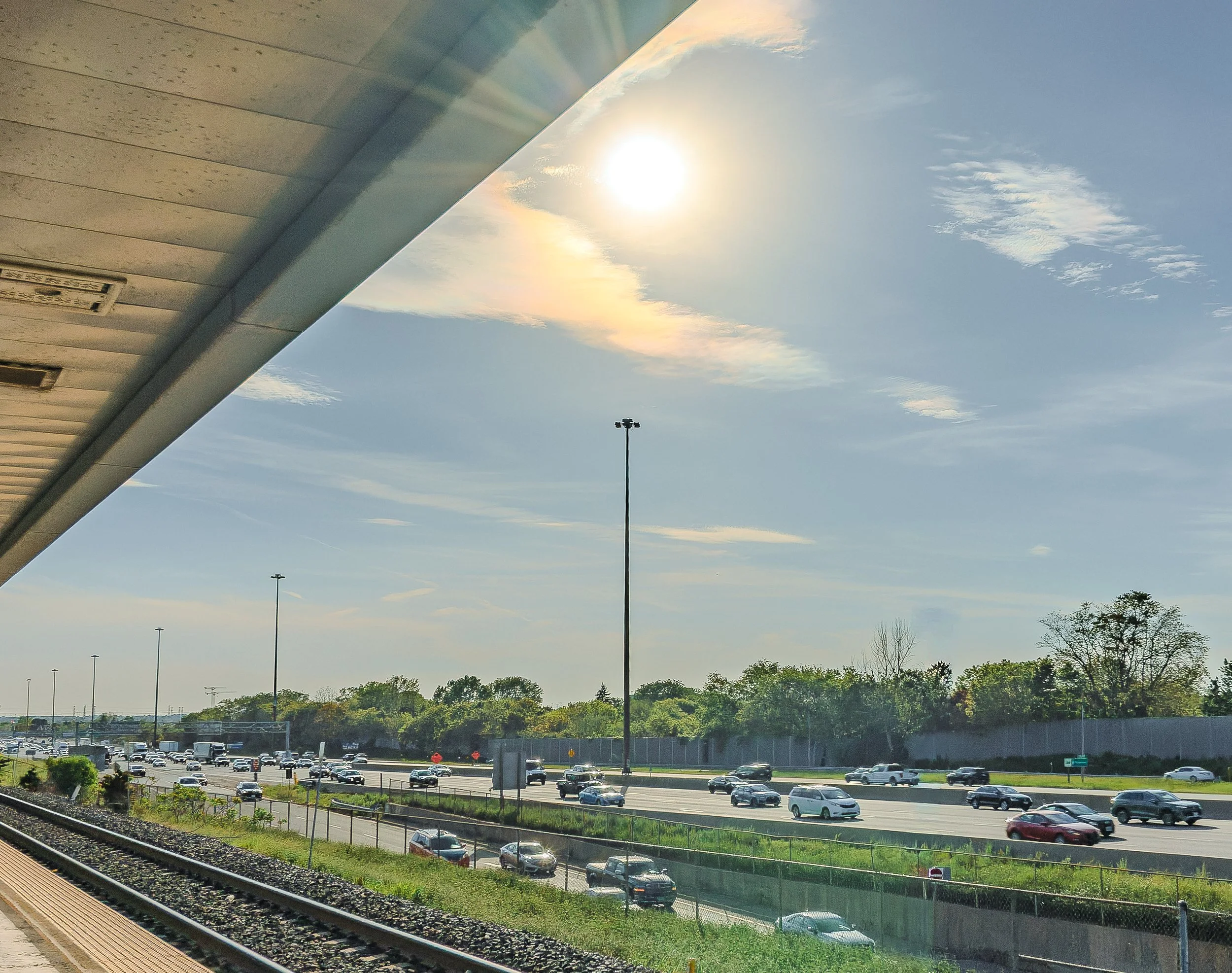
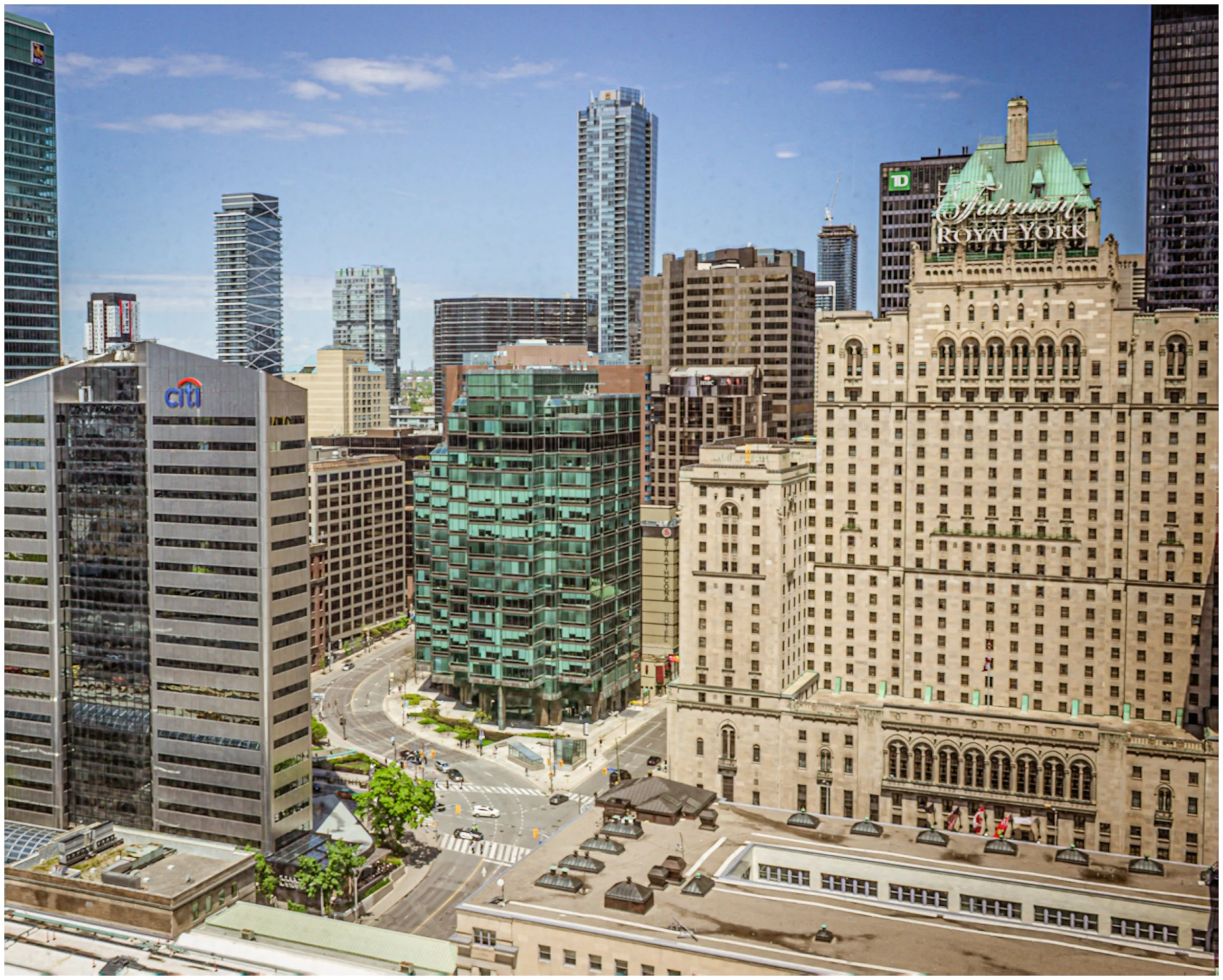
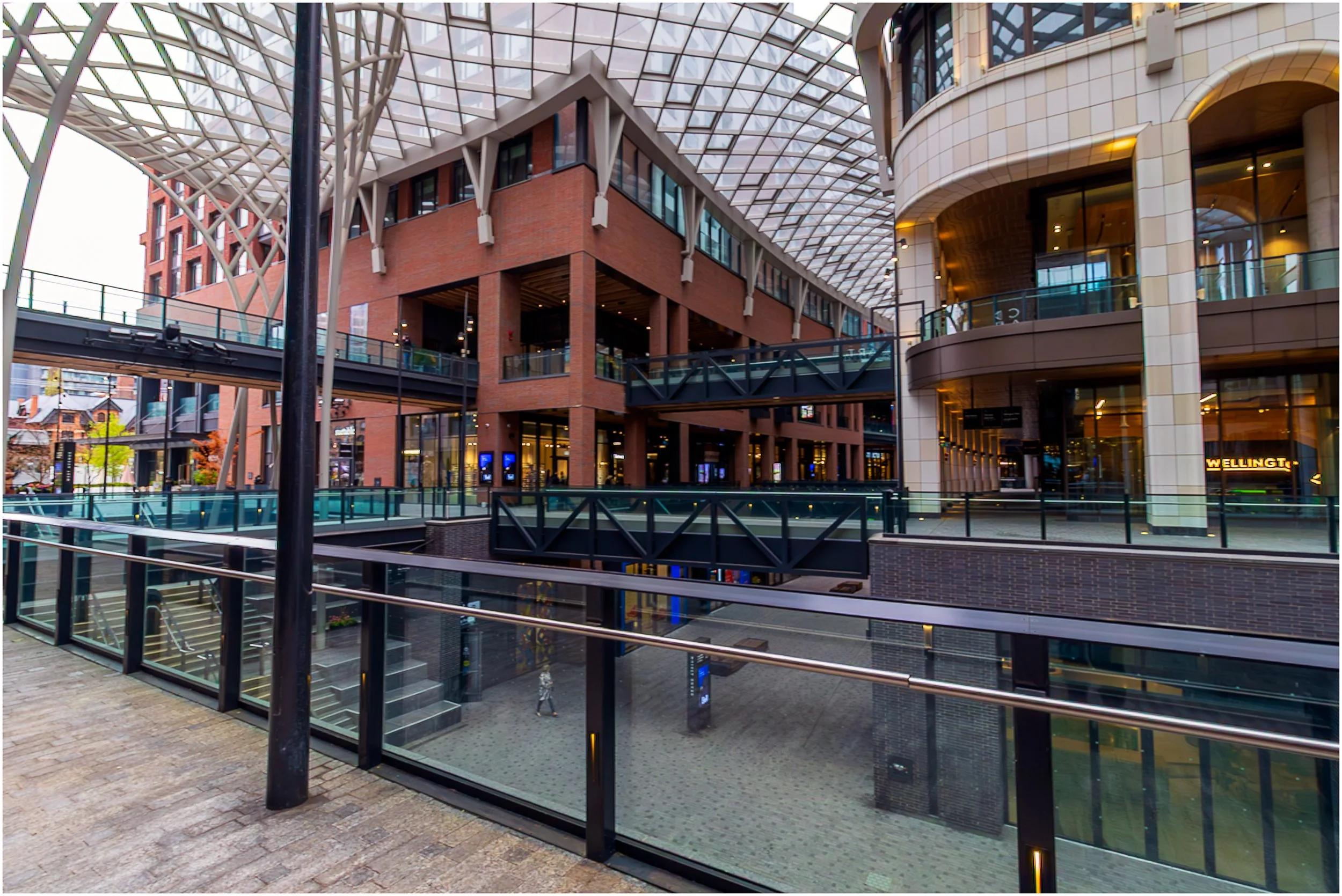
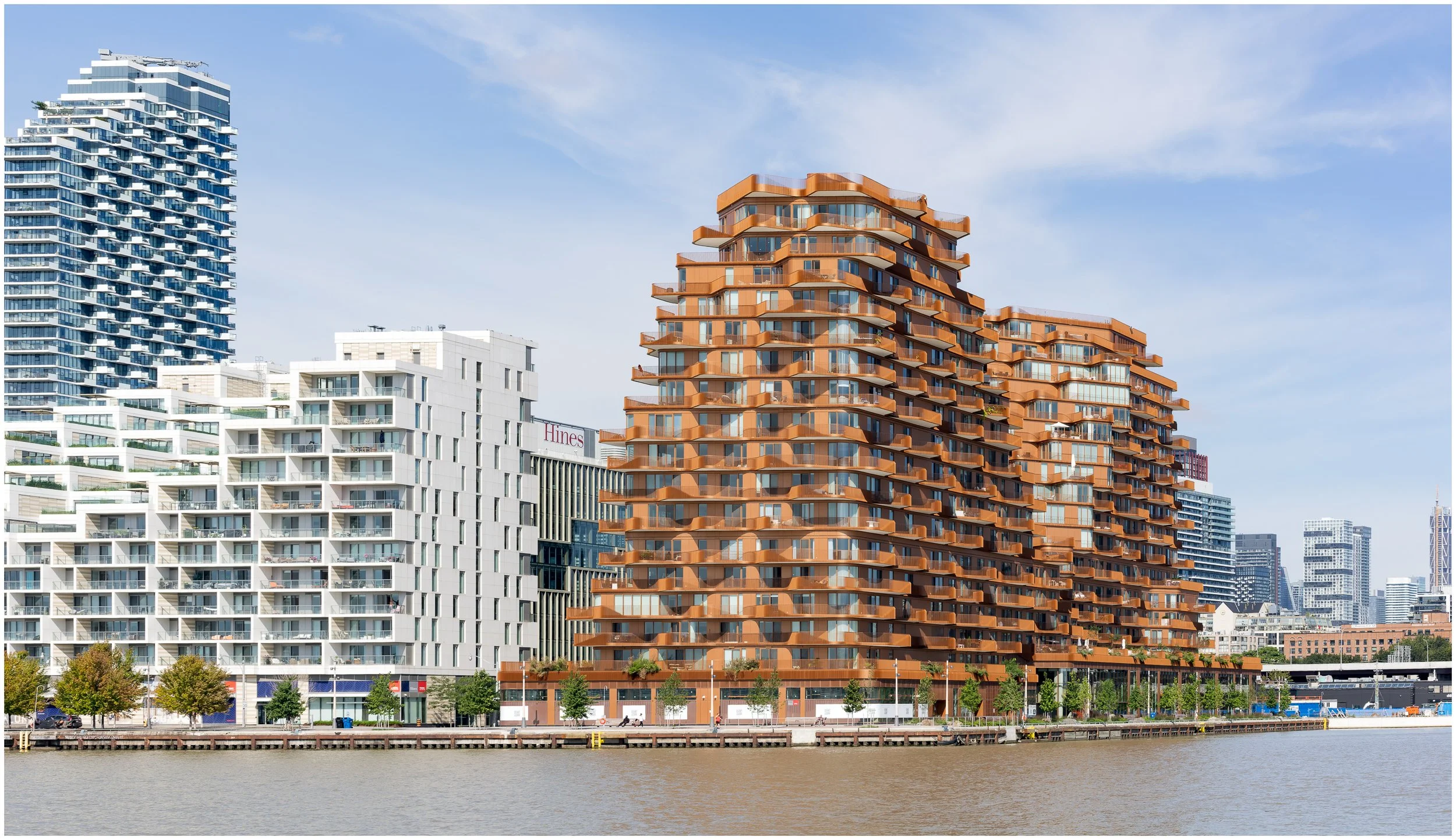
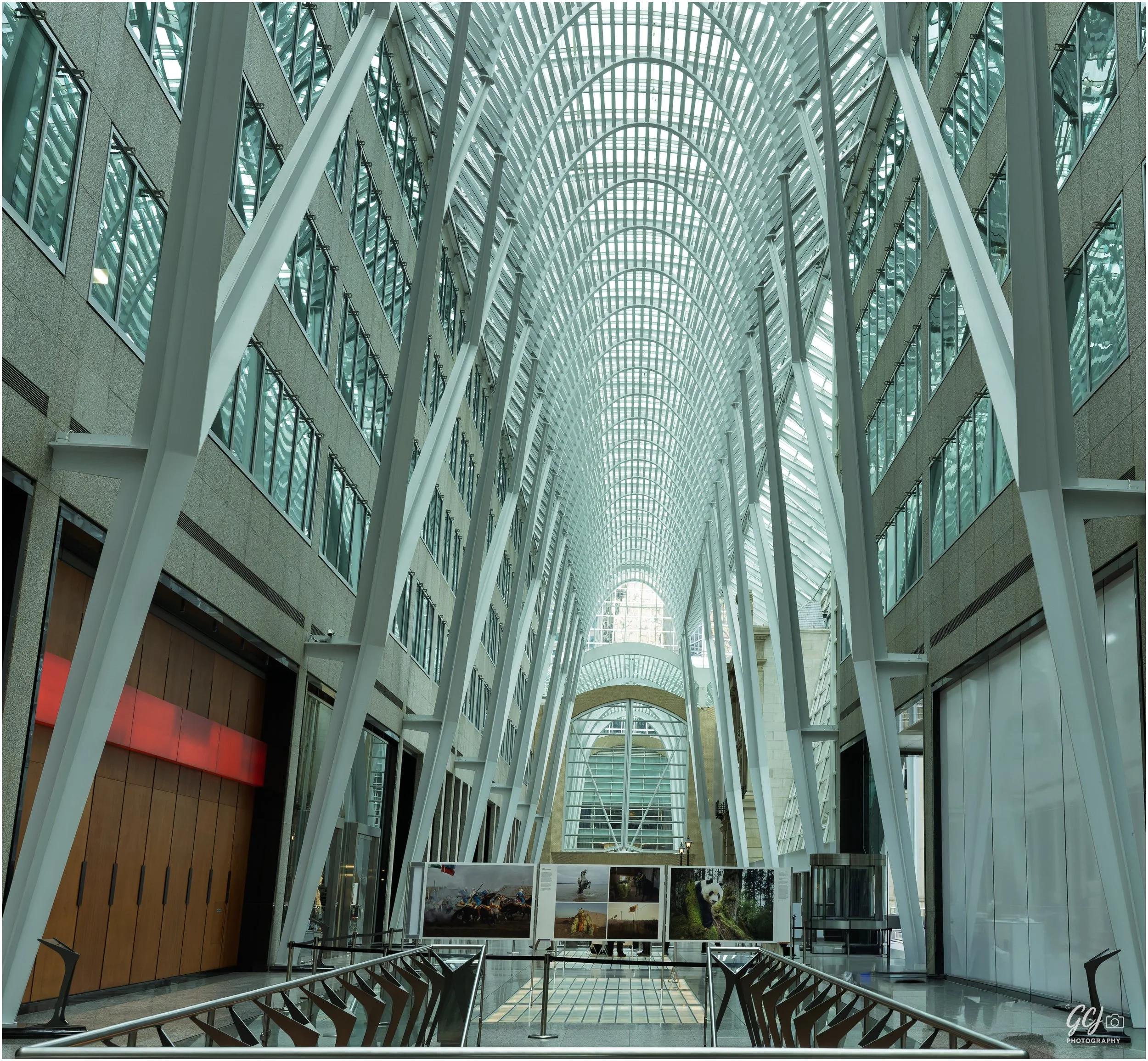
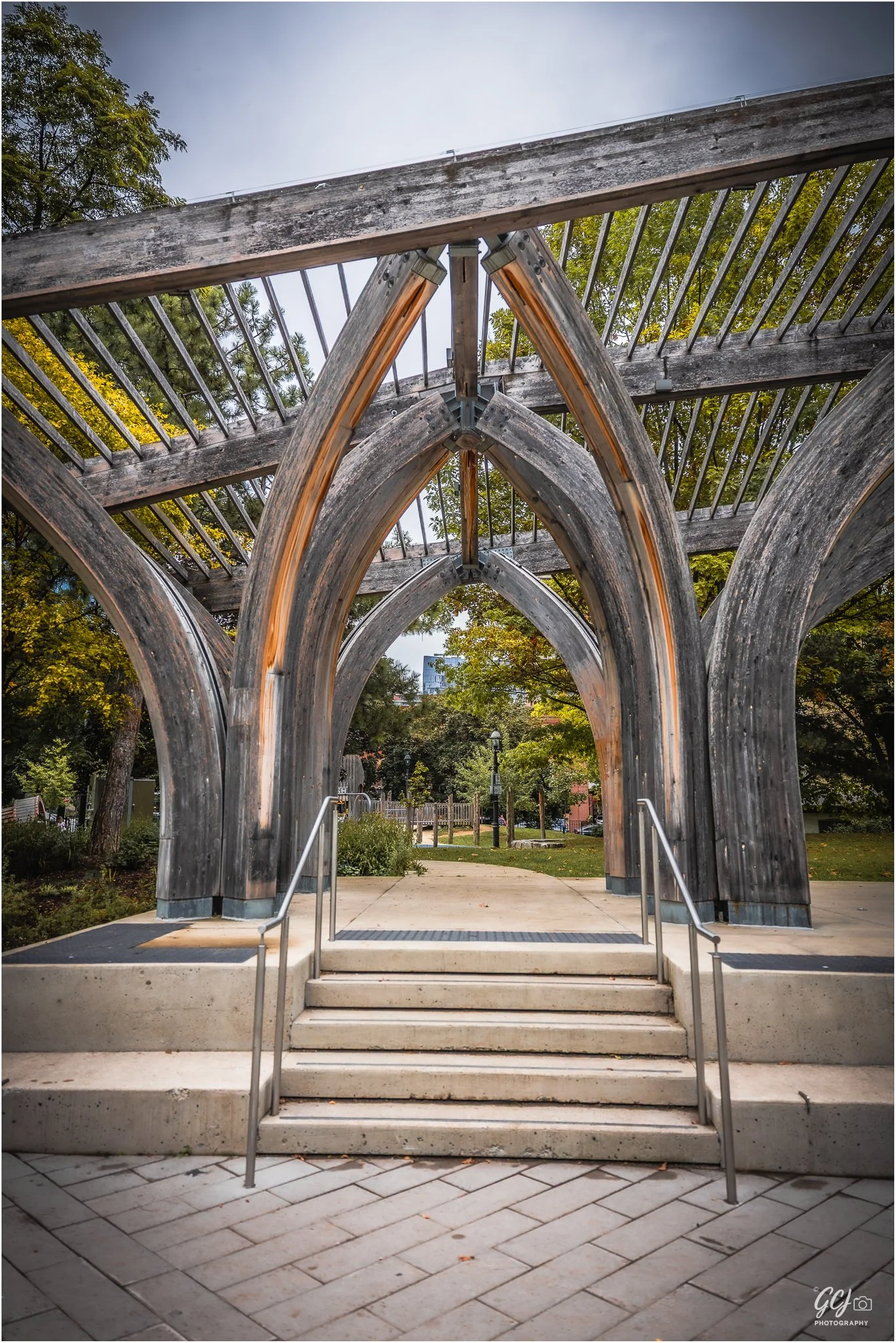
Recently, though, as I explore Toronto more thoughtfully through The Life Institute walks, I’ve felt a quiet nostalgia for city life — the energy downtown, the architecture, the small discoveries around every corner.
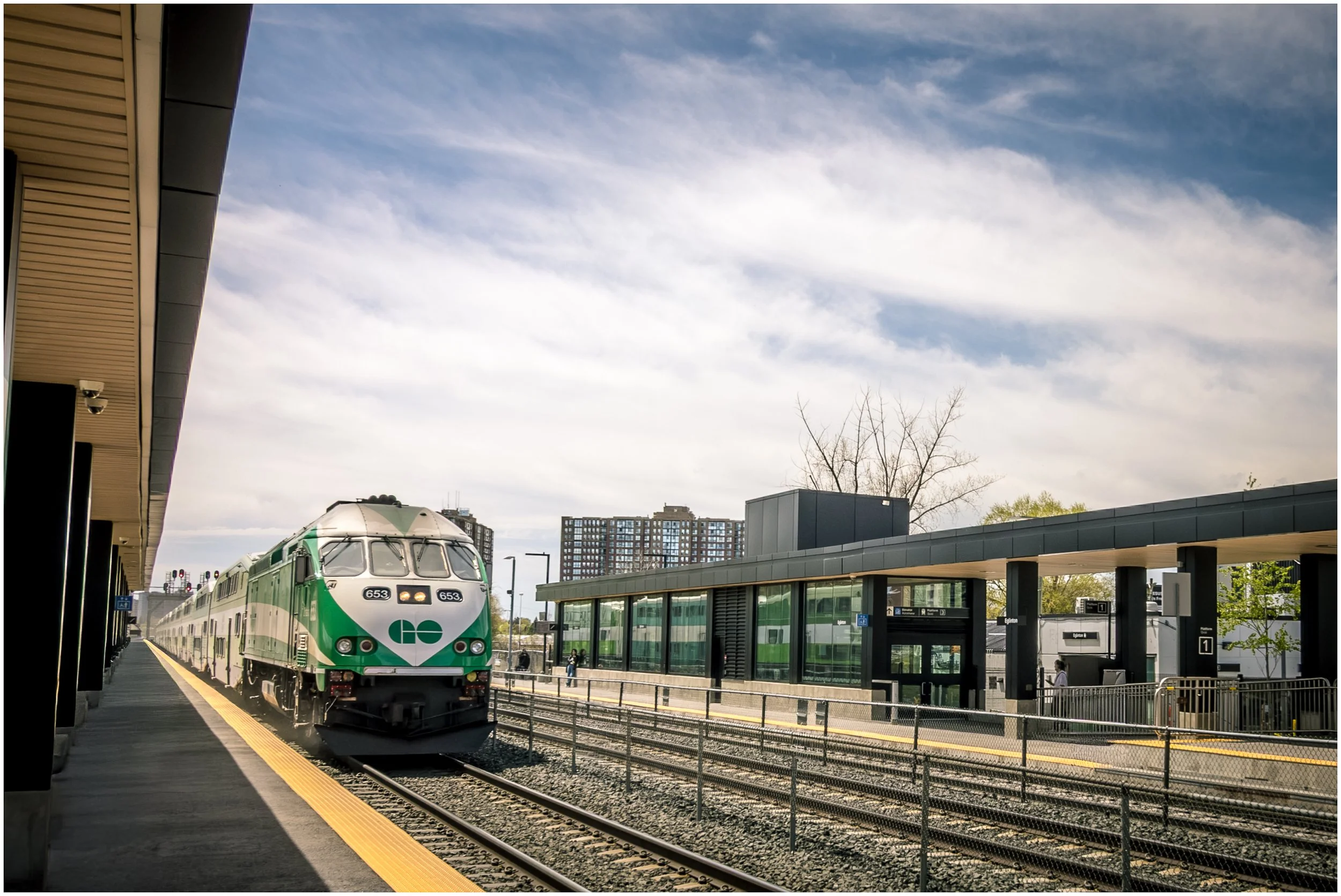
Travelling between Ajax and Toronto is consistently easy, reliable, and relatively affordable thanks to Ontario’s One Fare Program. With PRESTO’s tap‑and‑pay system, I only pay once when transferring between TTC and GO Transit. Transfers are valid for three hours on trips starting on GO Transit and two hours on trips starting on the TTC, and the networks connect seamlessly.
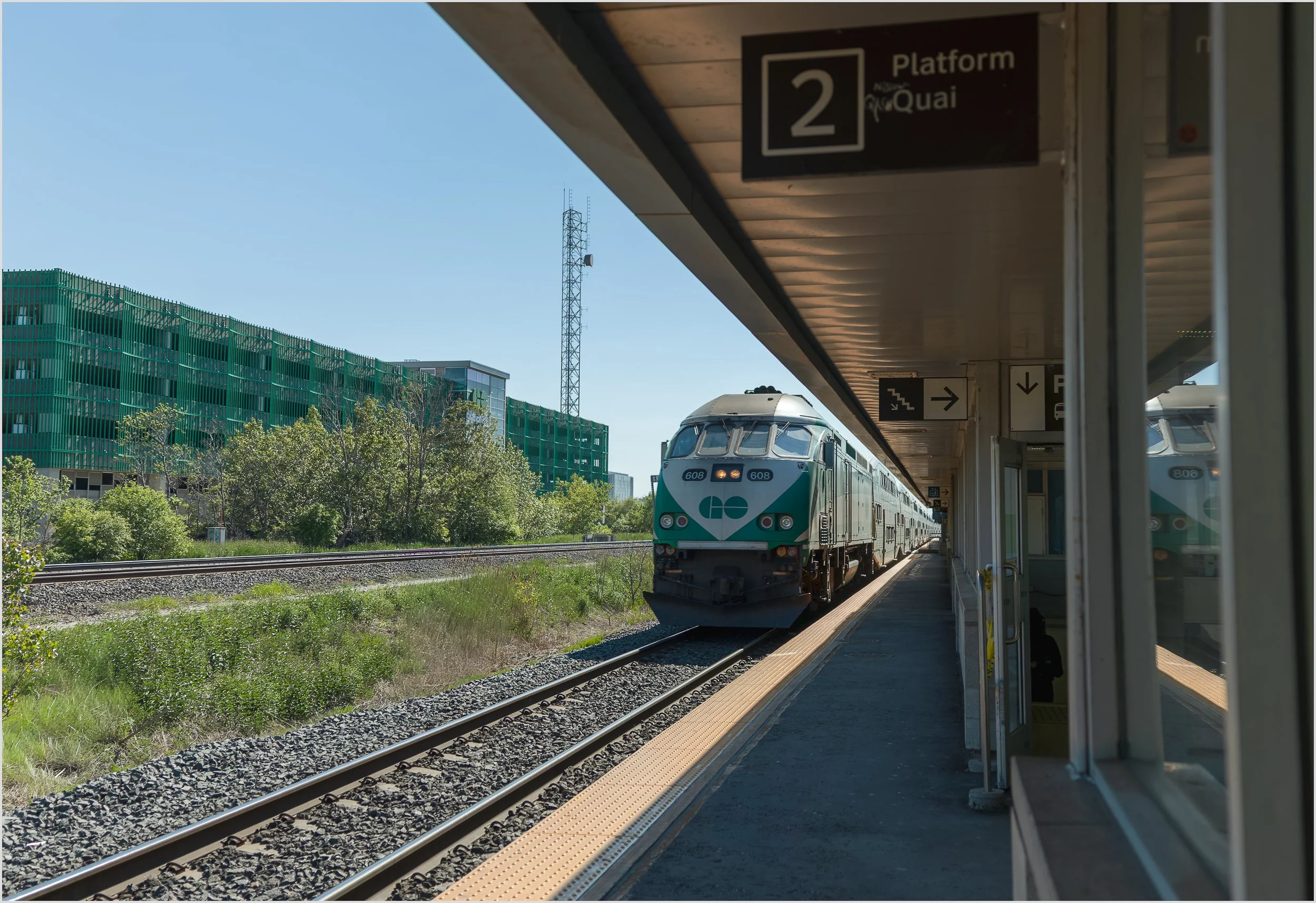
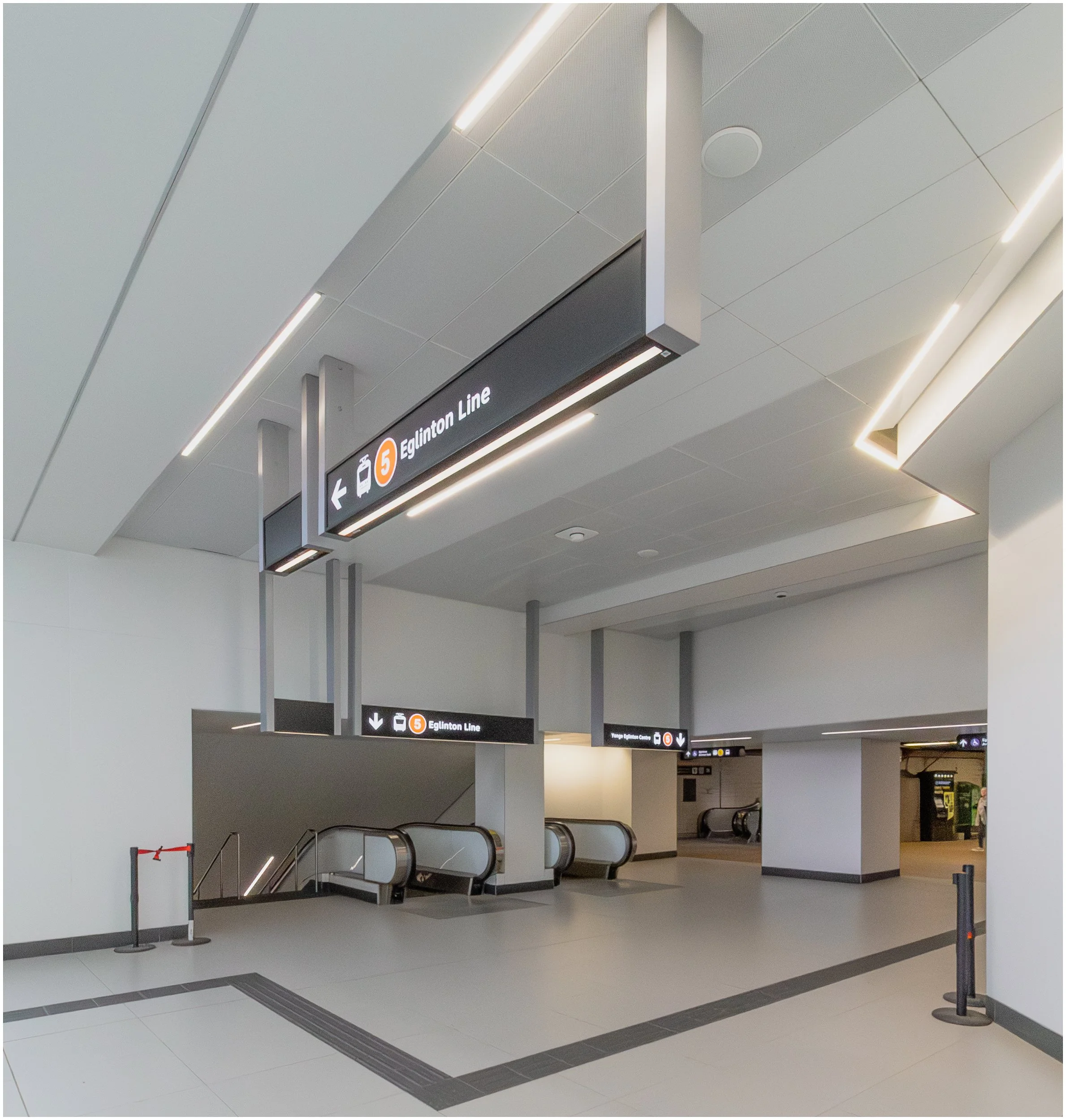
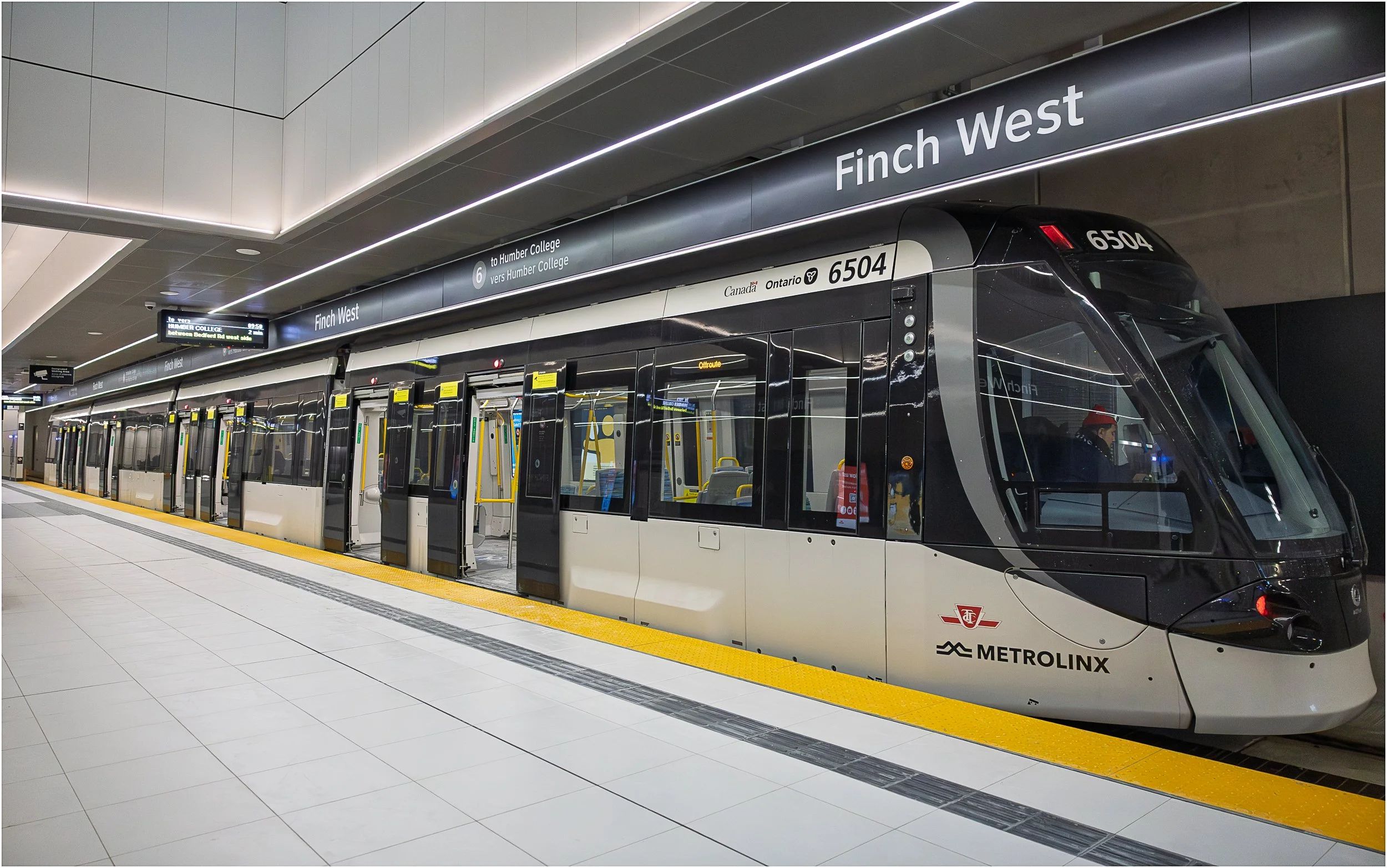
A typical trip looks like this: a 10‑minute drive to the Ajax GO Parking Garage, a GO train ride to Union Station, then a short walk to the subway, streetcar, bus — or sometimes straight to my destination. On my most recent outing (at the time of writing), I tried something new: Line 5 Eglinton, the Eglinton Crosstown LRT. I took it from Eglinton Station to Kennedy Station, connected to the bus that took me to Eglinton GO, where I caught the GO train back to Ajax, picked up my car, and headed home. I have to admit — Line 5 was impressively smooth and well‑designed, especially after the frustrations many commuters felt with the Line 6 Finch West rollout.
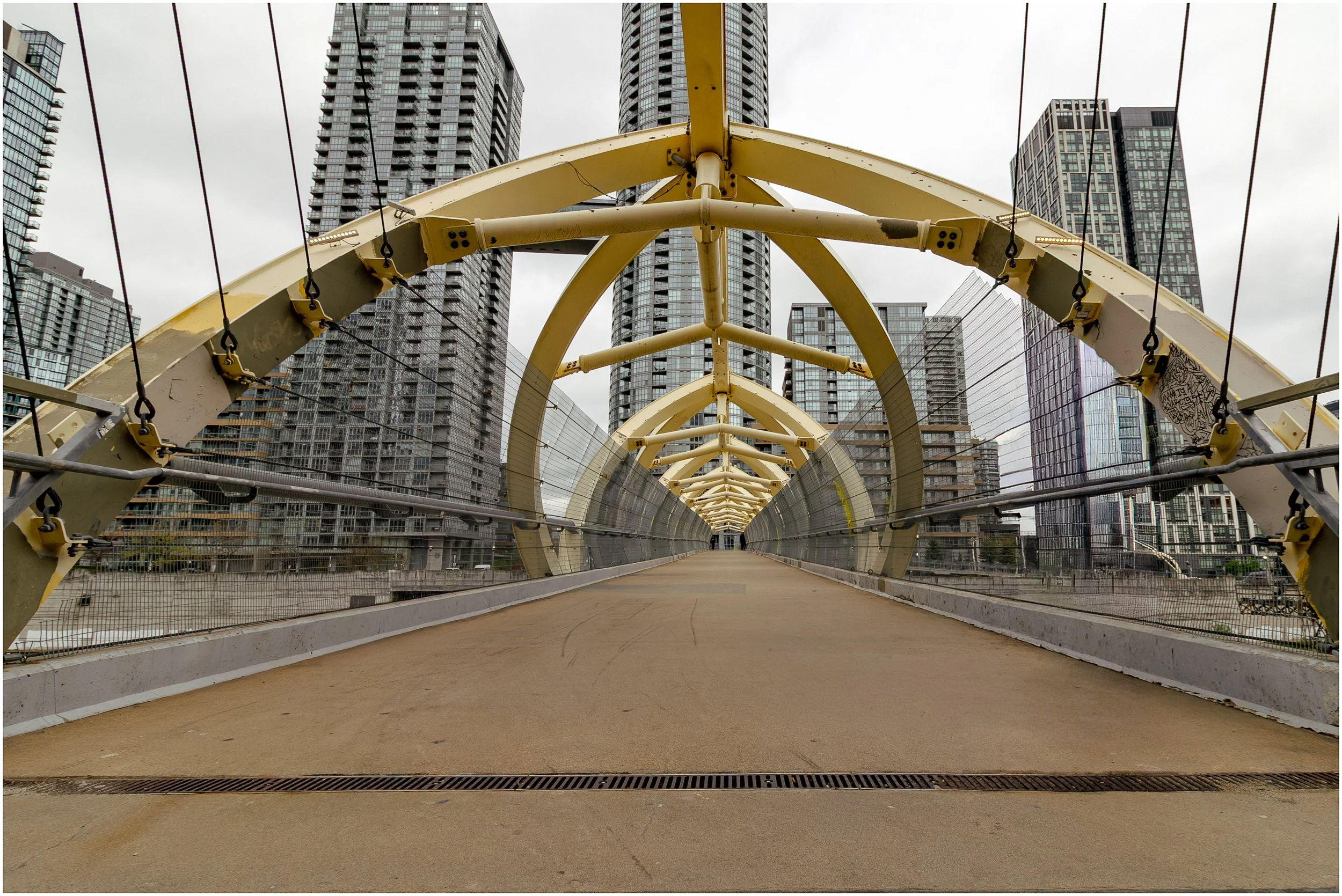
Toronto gives me the architecture, the rhythm, the geometry. Ajax — a commuter town at heart, just a 50‑minute ride from Union Station — gives me the quiet, the space, the shoreline I’ve come to appreciate. Together, they shape how I see — and what I choose to photograph.
ℹ️ Viewing on a laptop or desktop (recommended): click the image and hover your mouse over it to see the caption.
Viewing on mobile: tap the image, then tap the tiny dot in the bottom-right corner to see the caption.
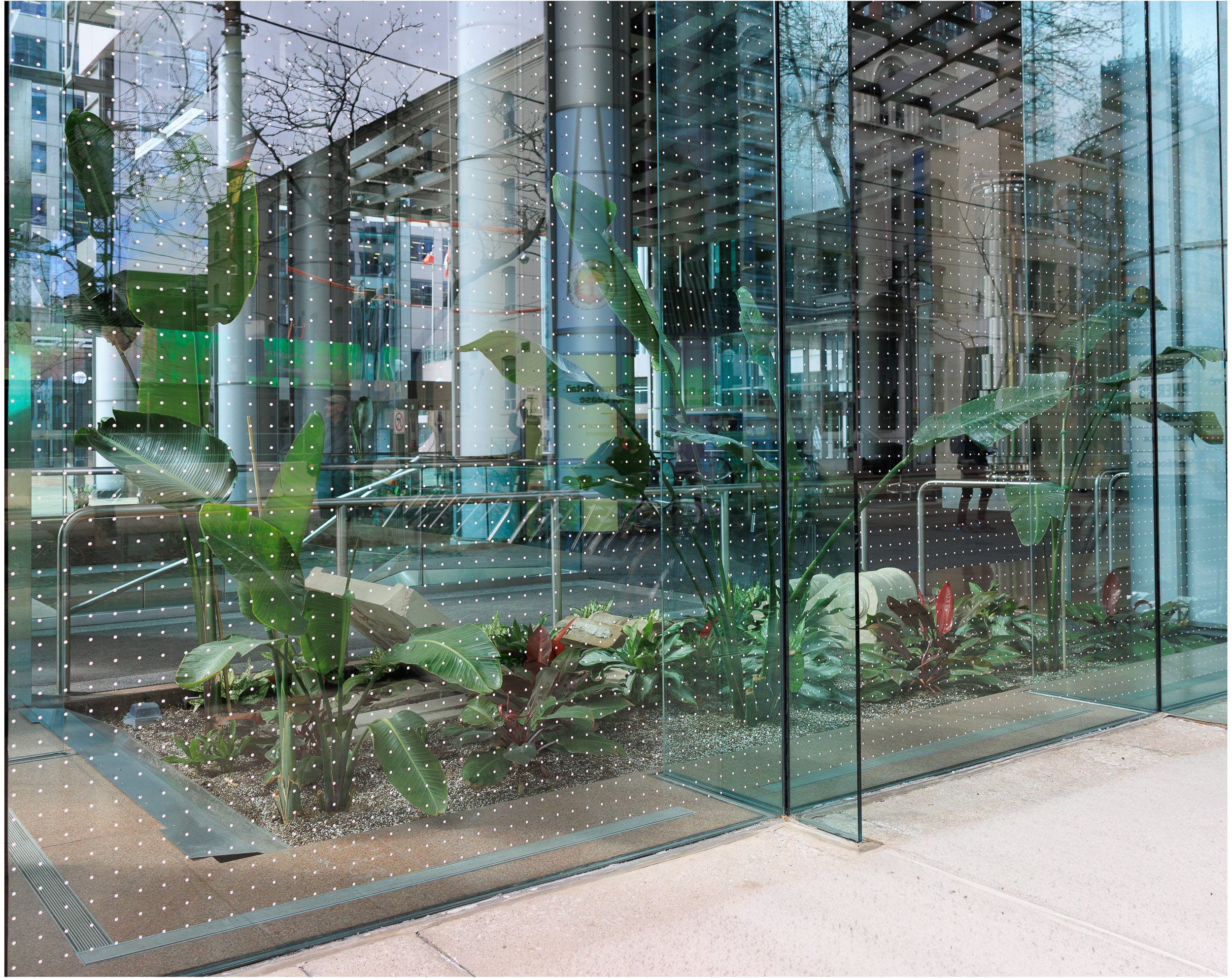

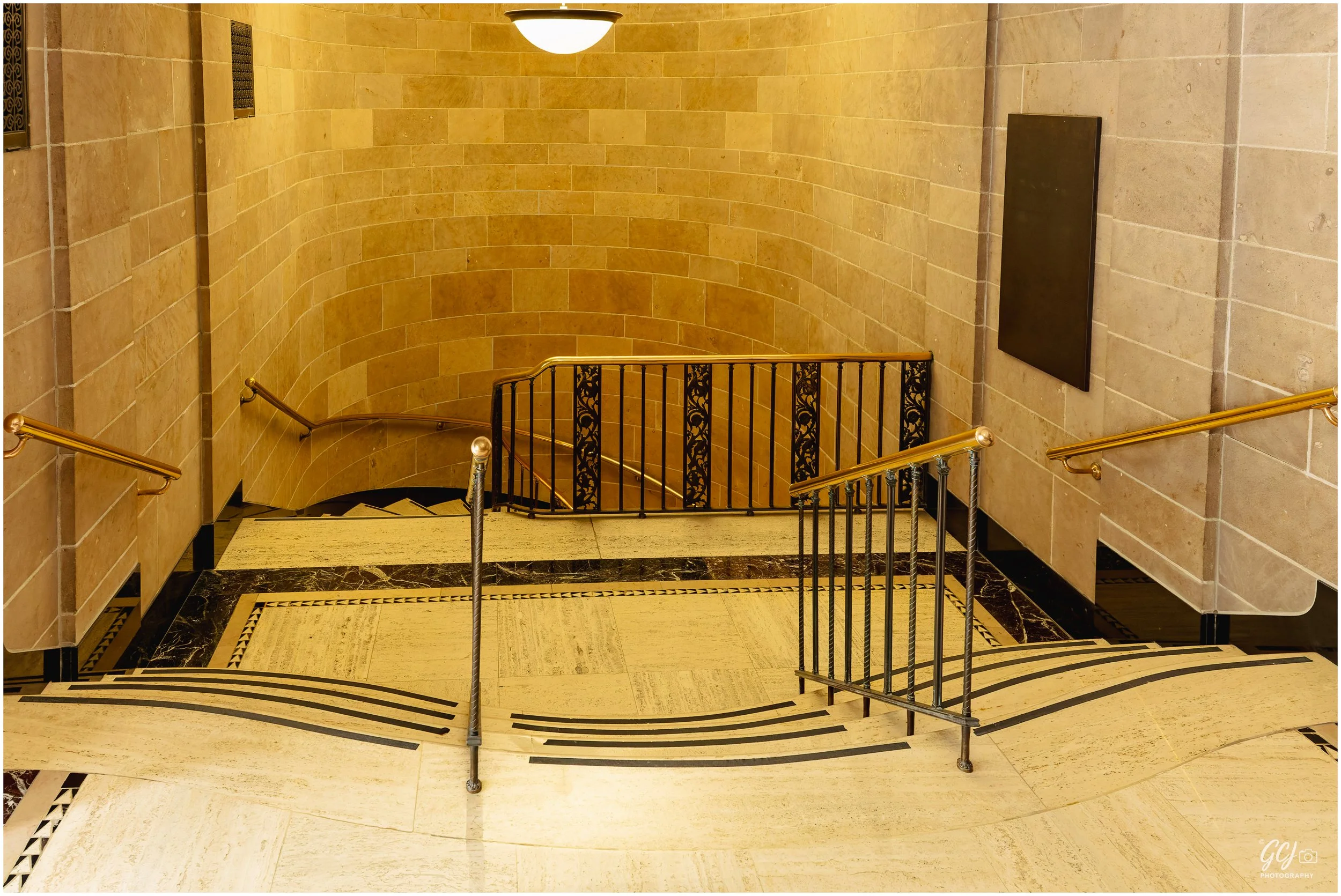
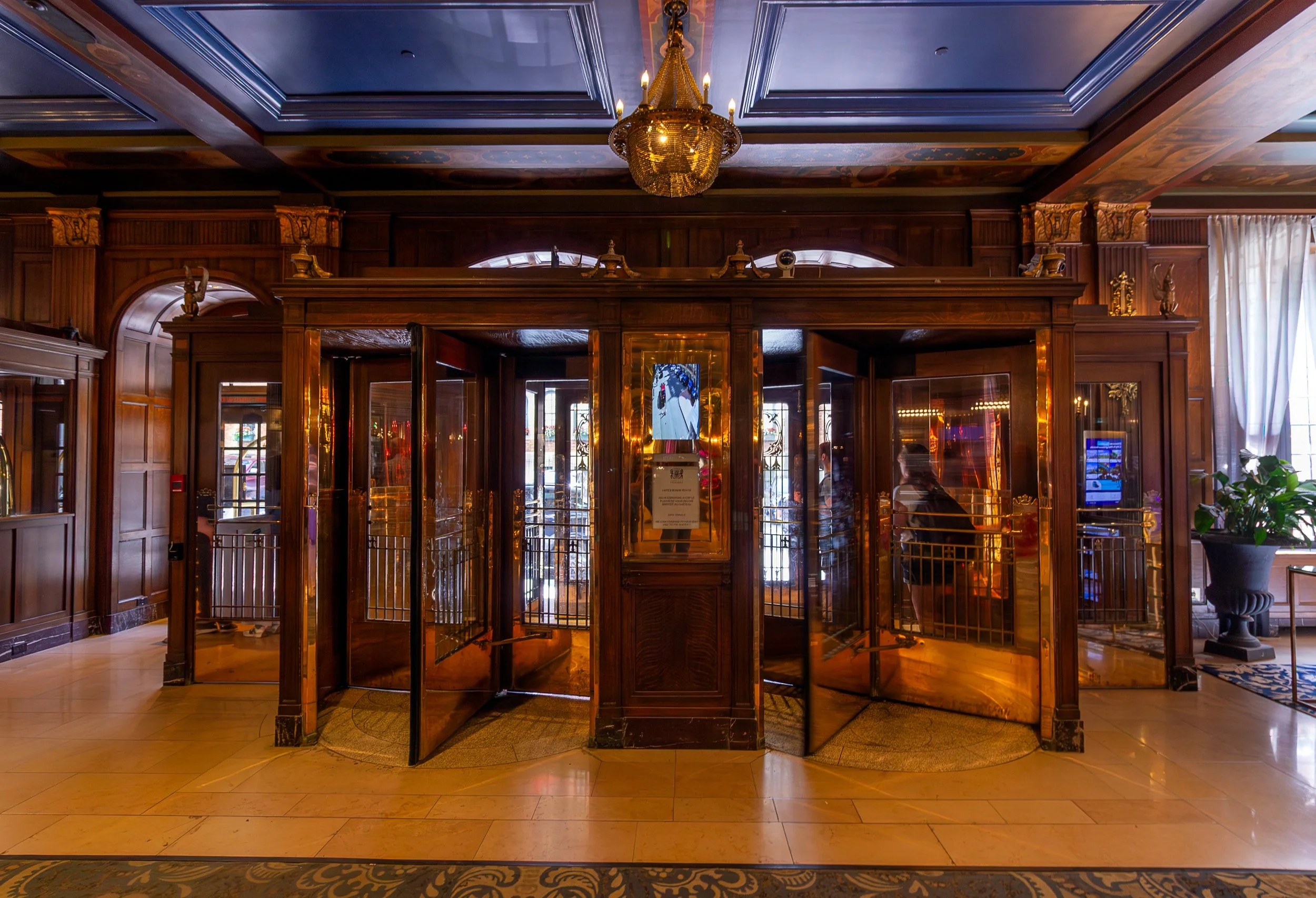
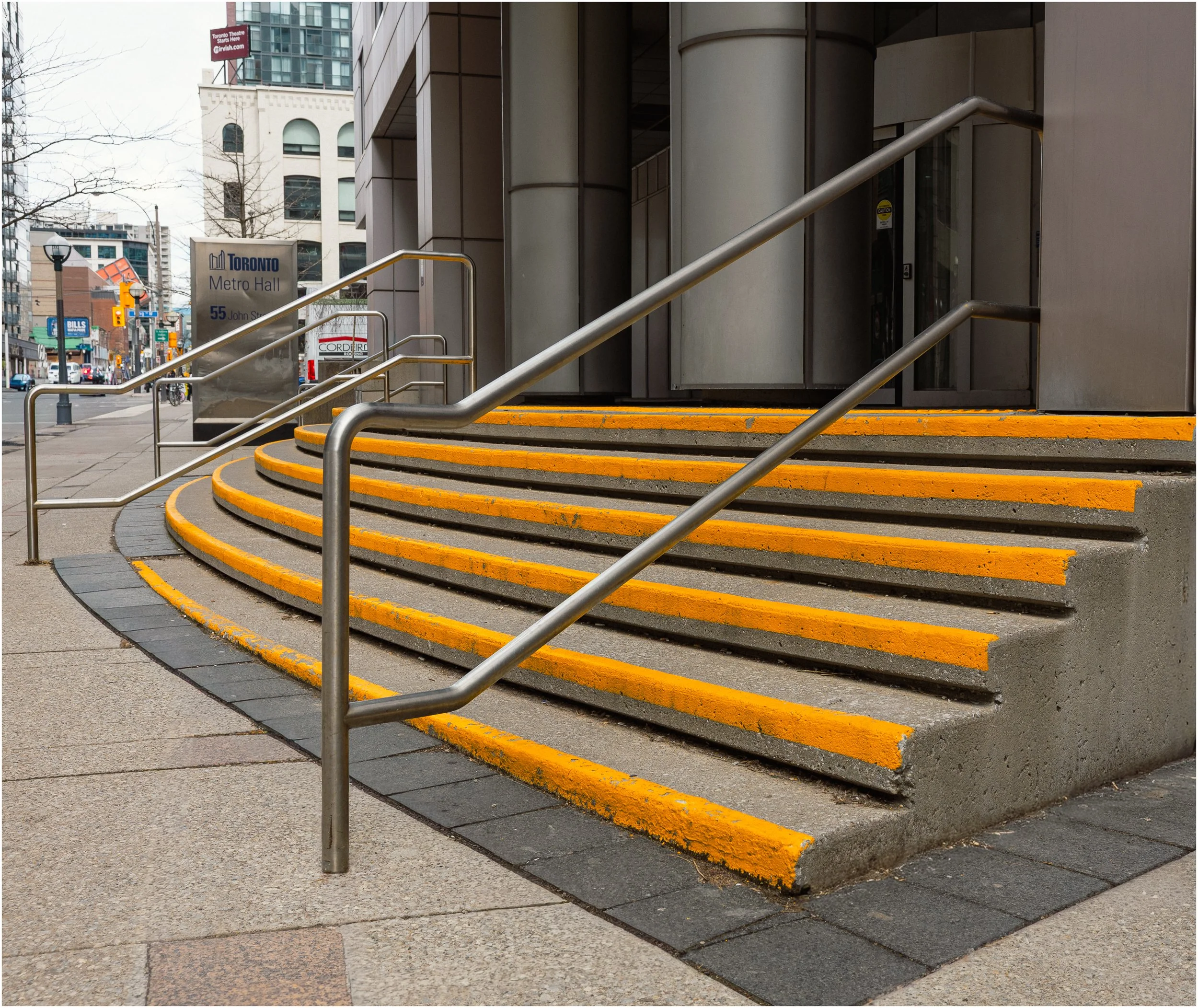
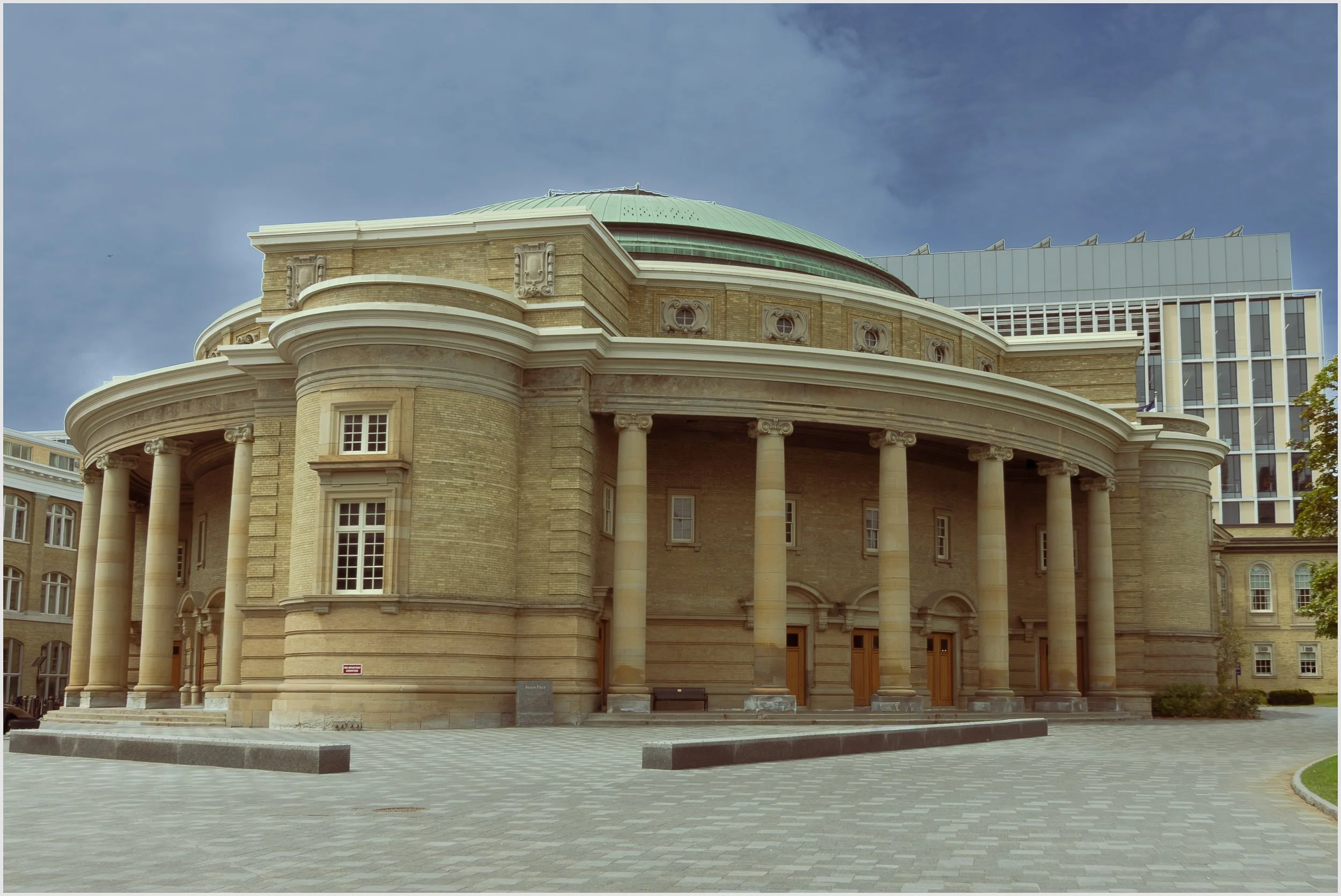
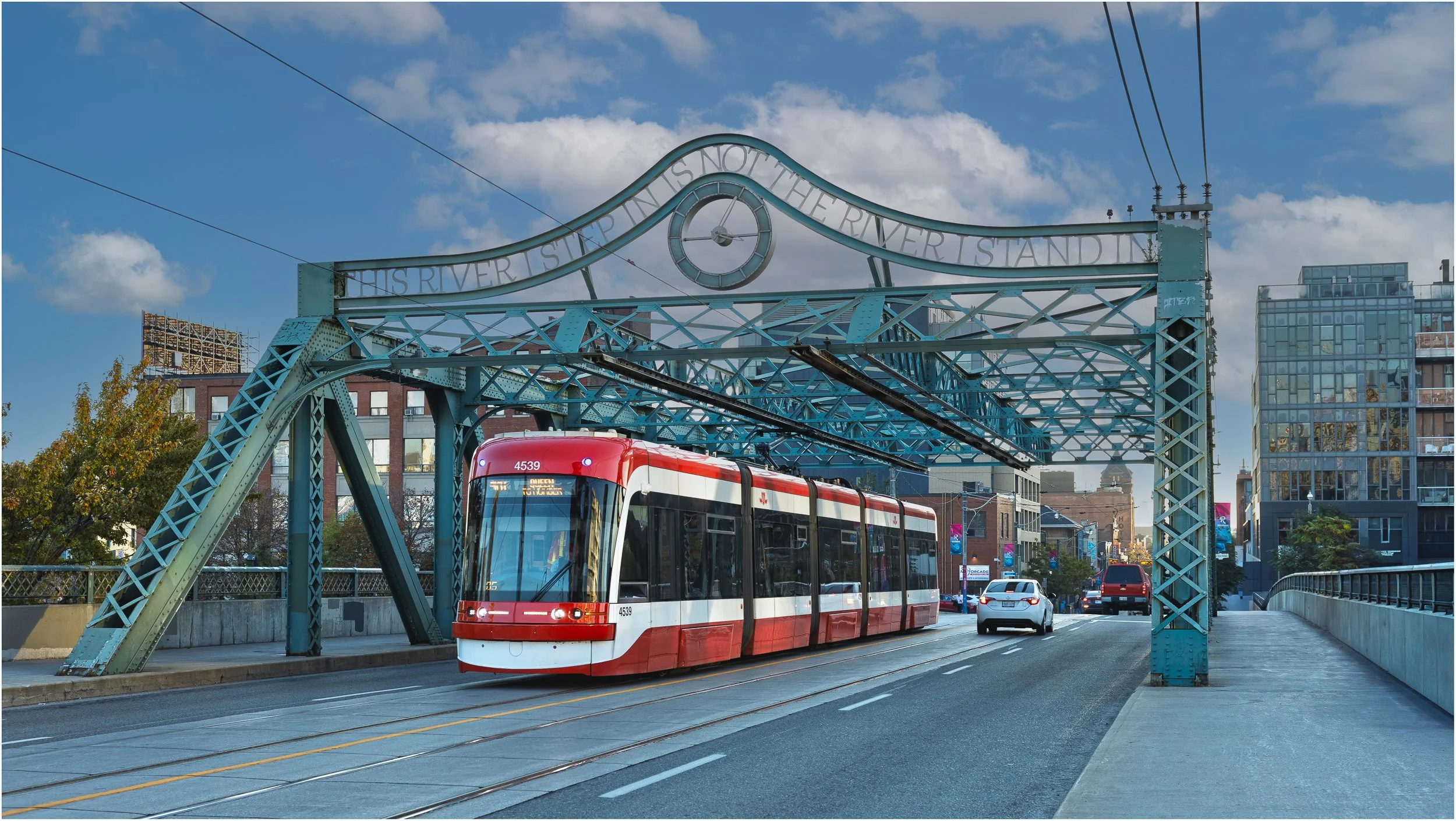
Transit and Movement






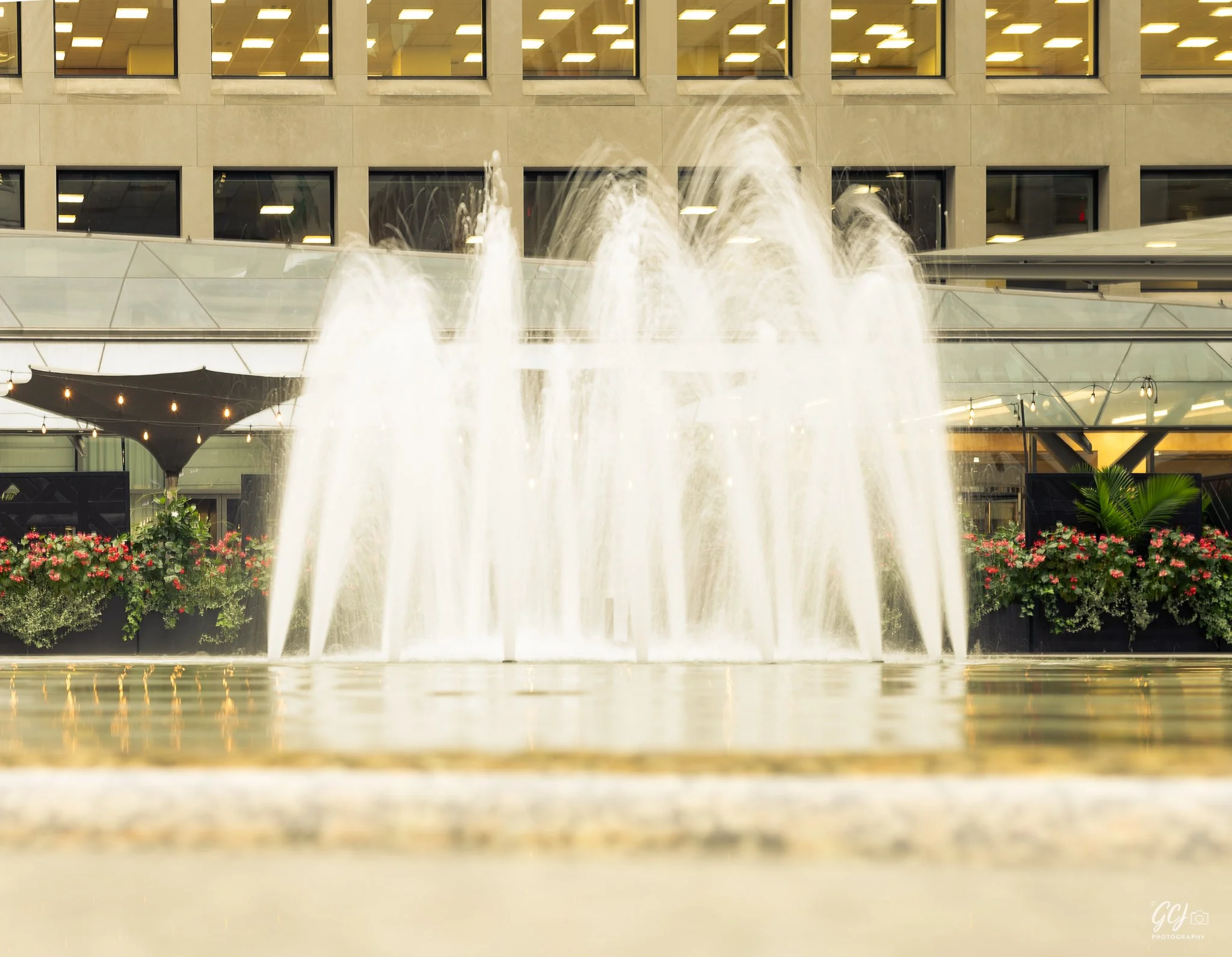
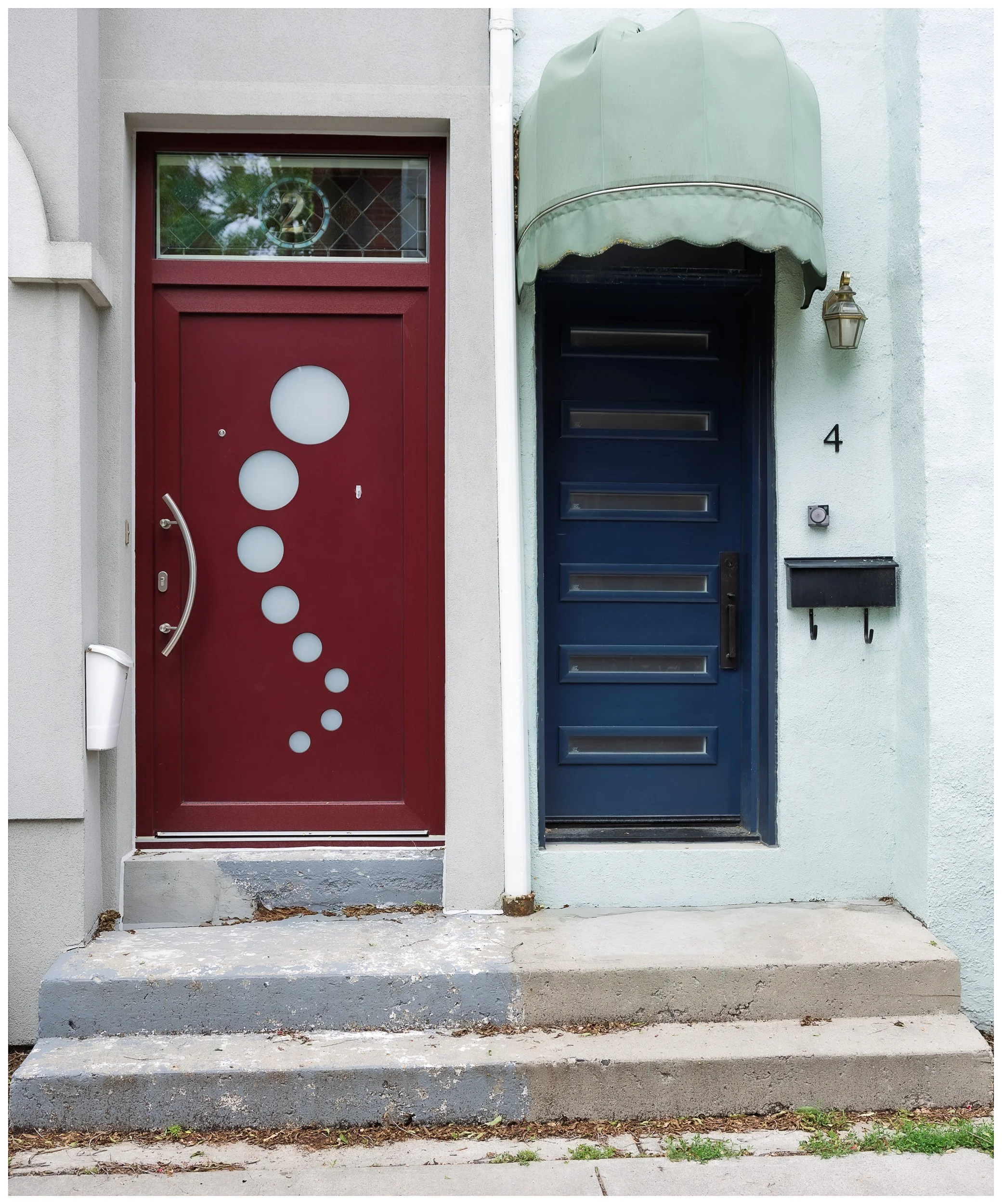
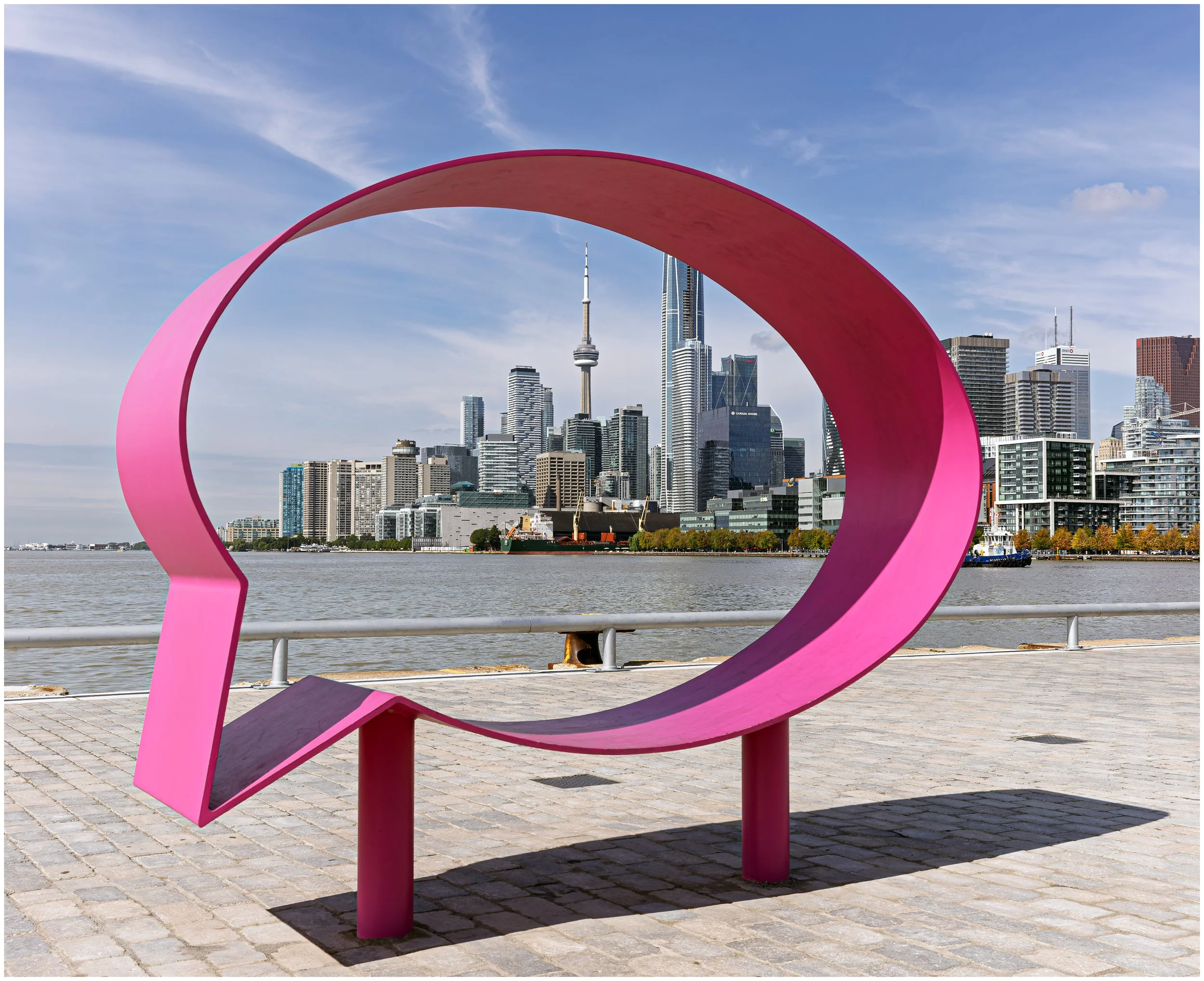
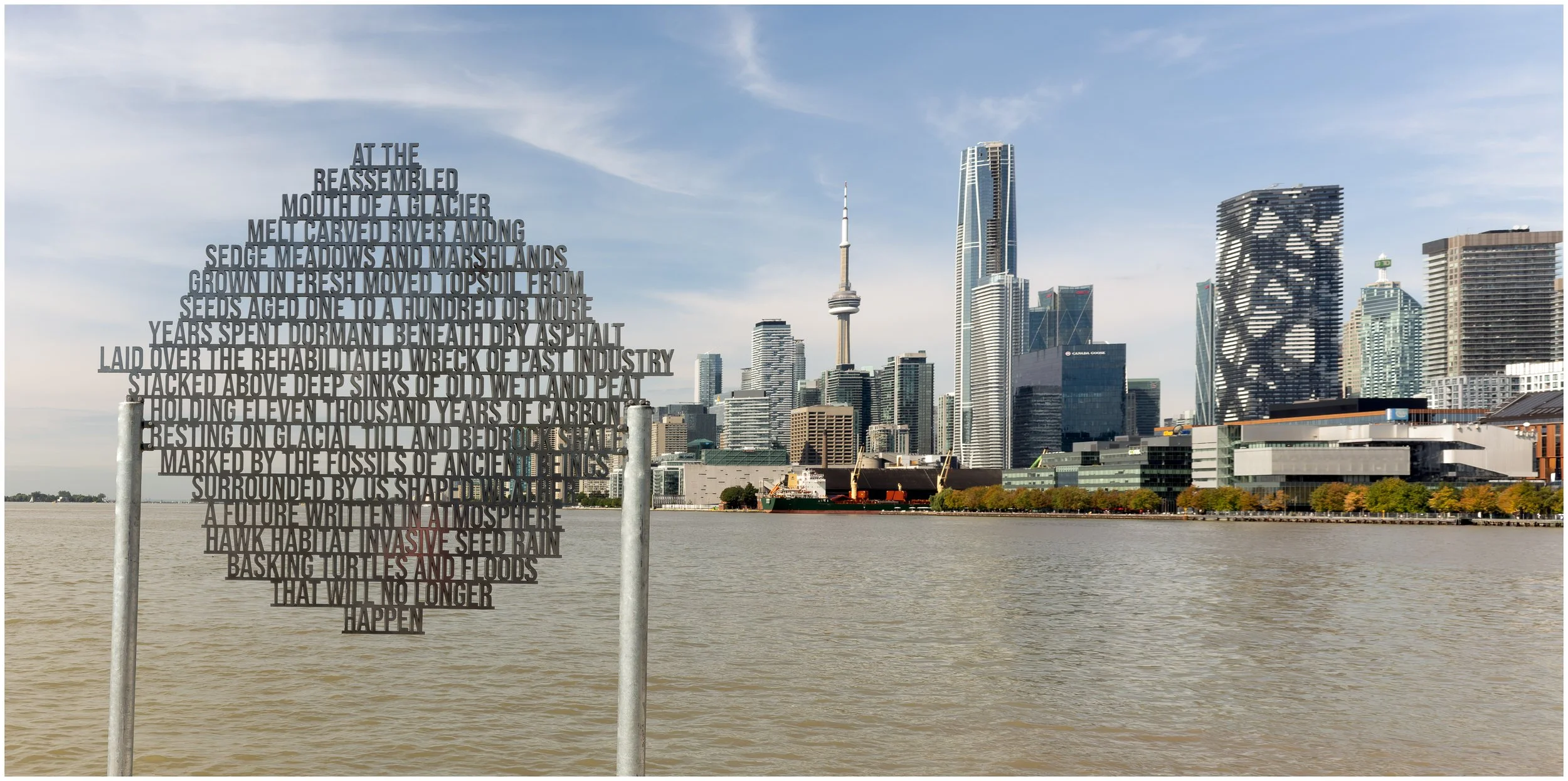
Public Spaces & Civic Design
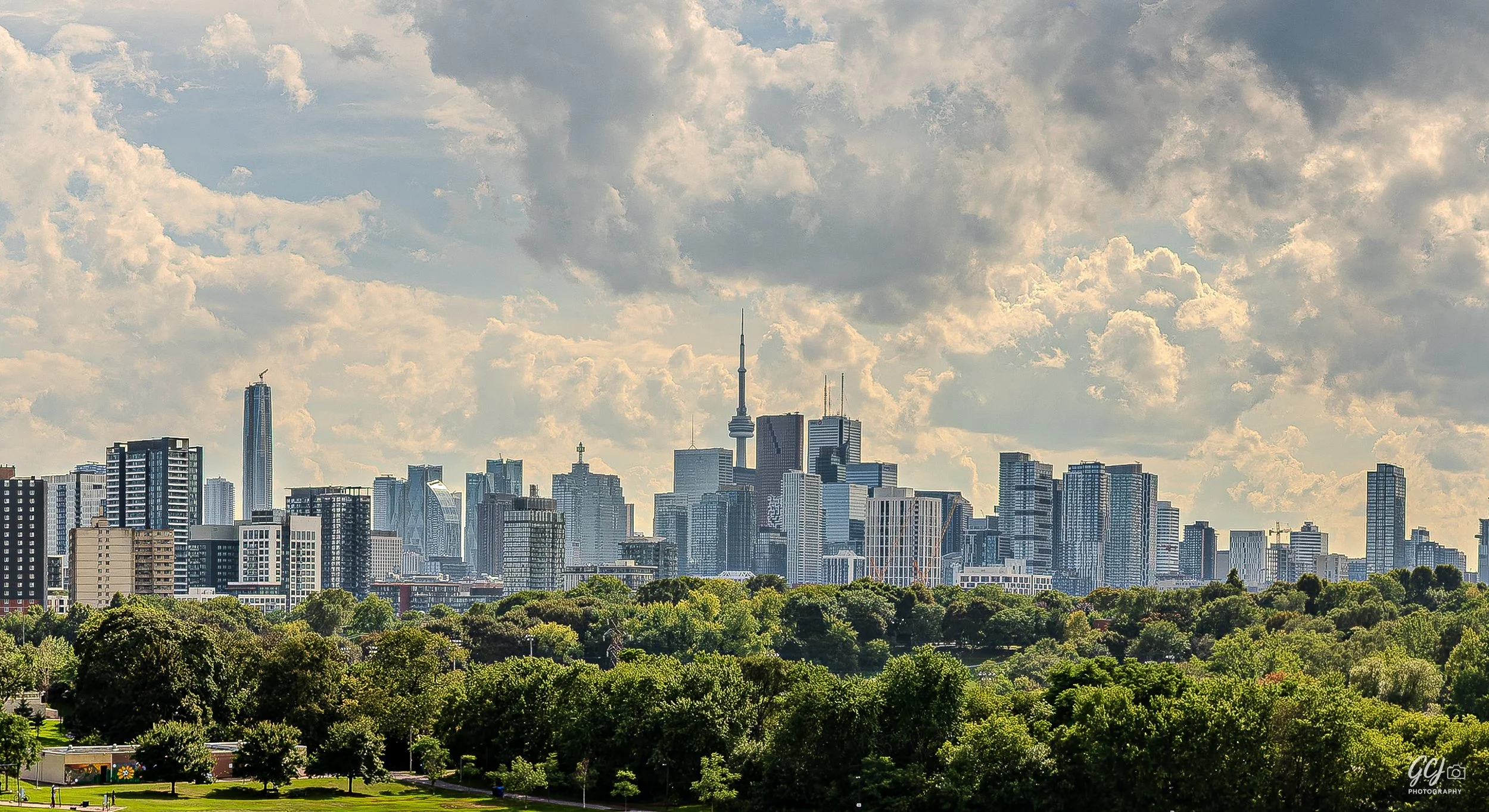
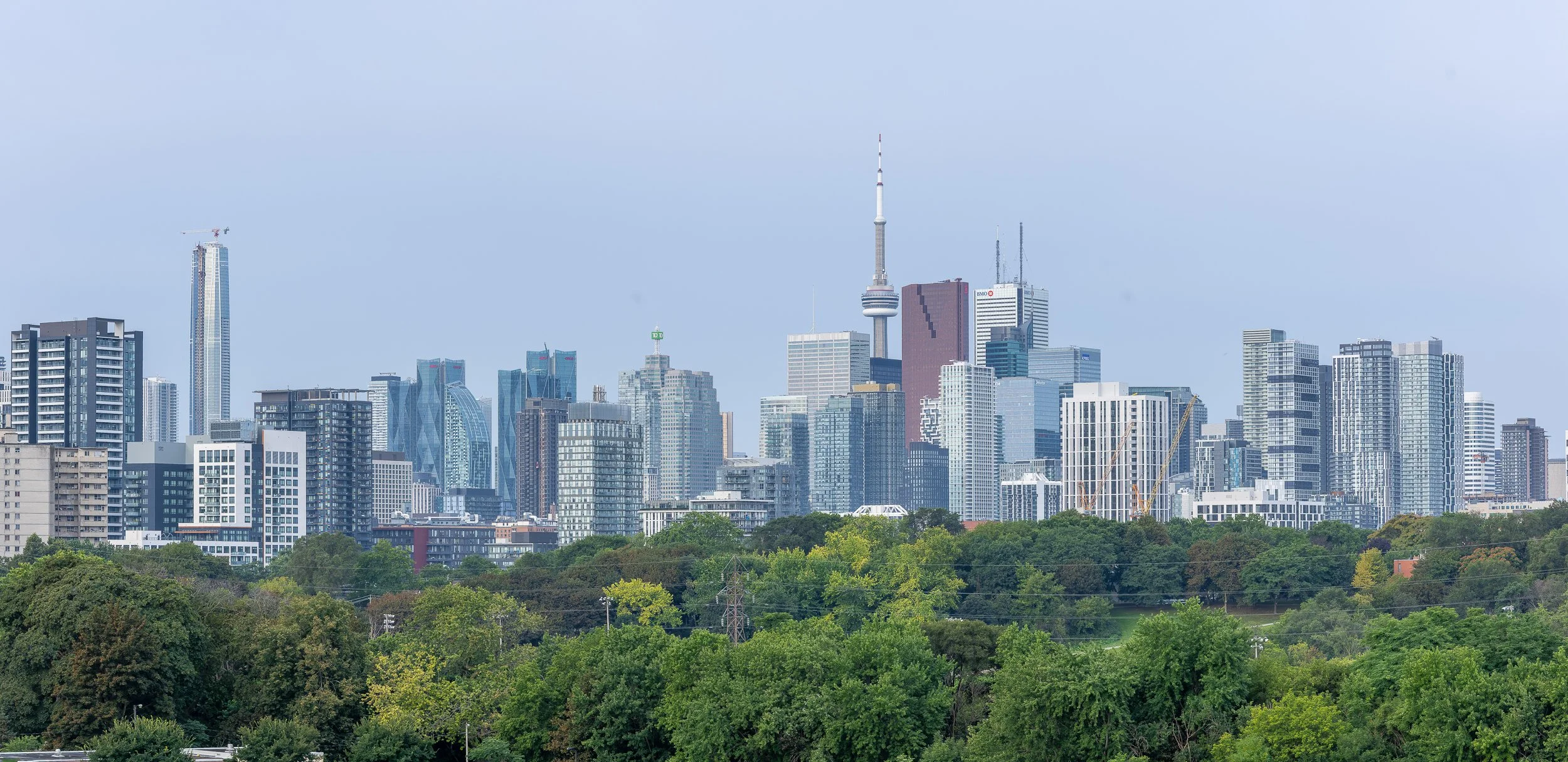

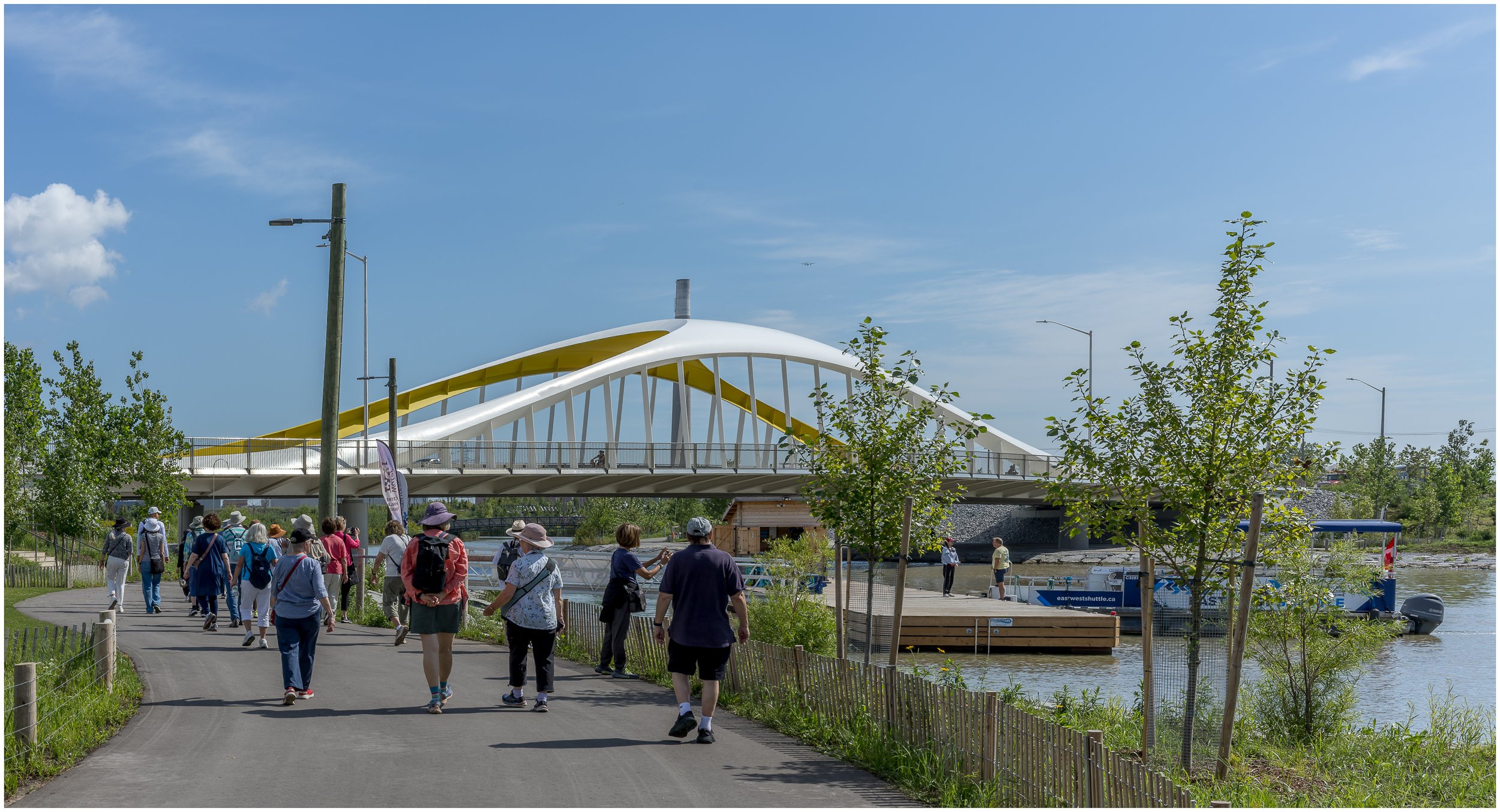
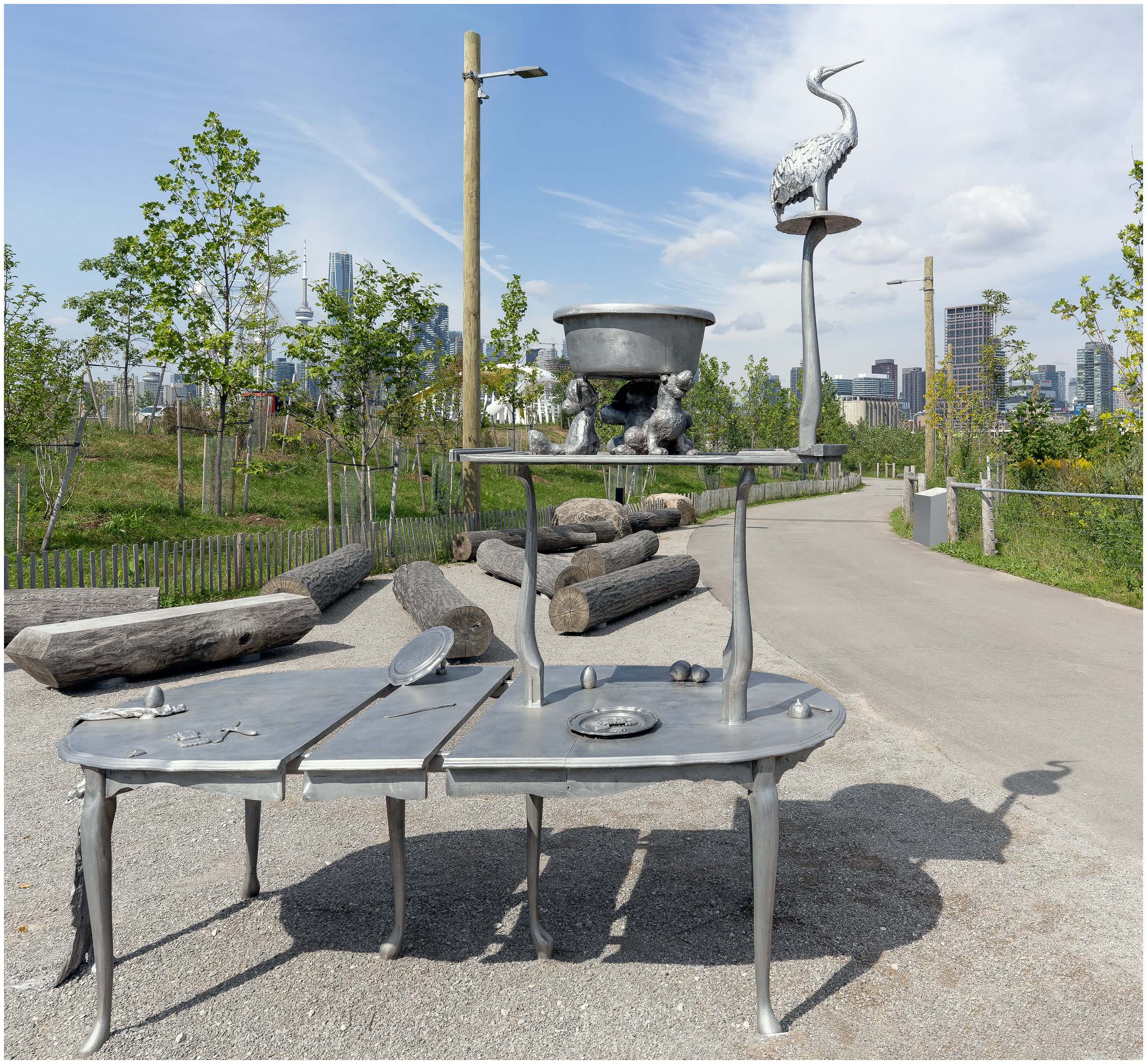
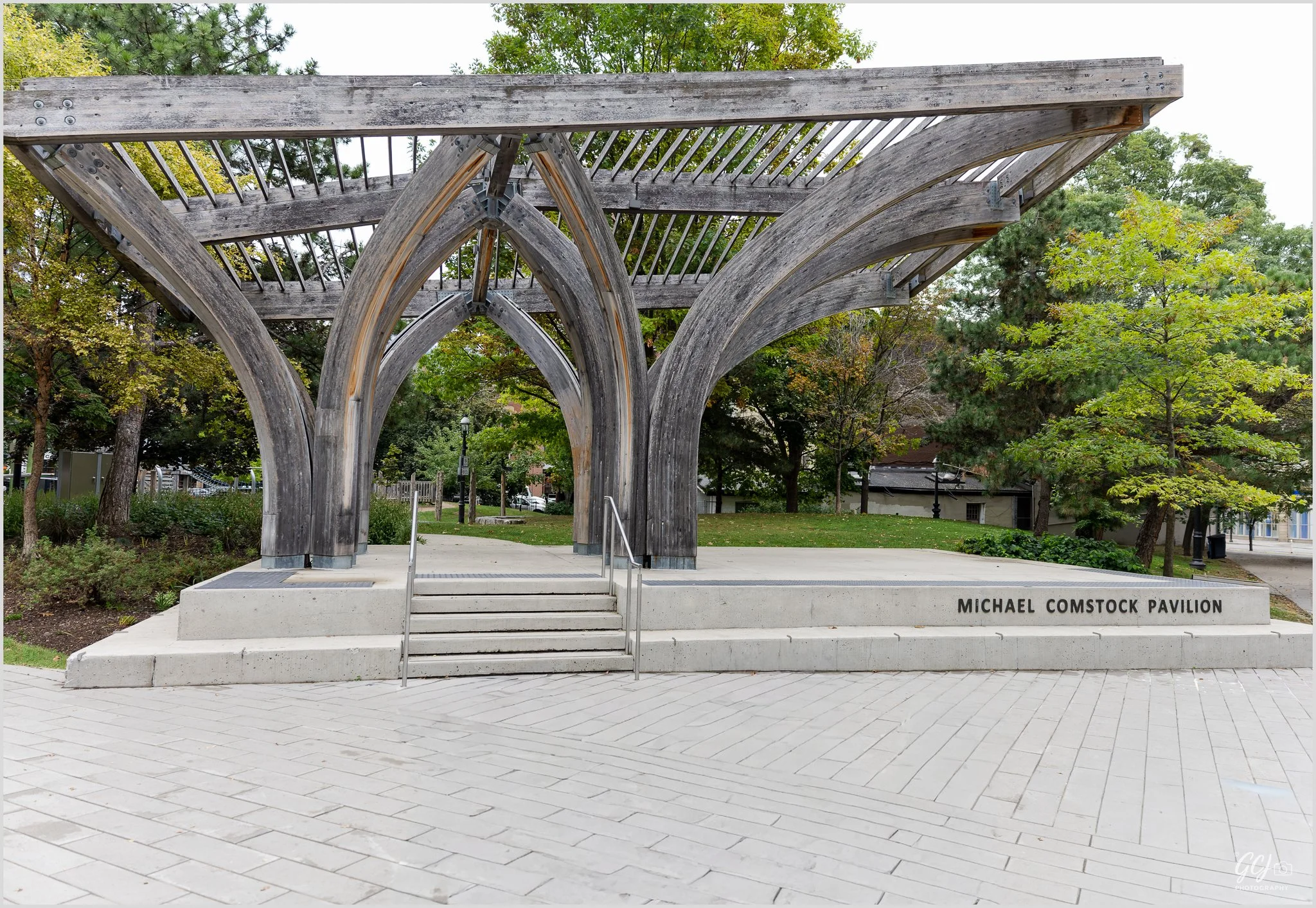
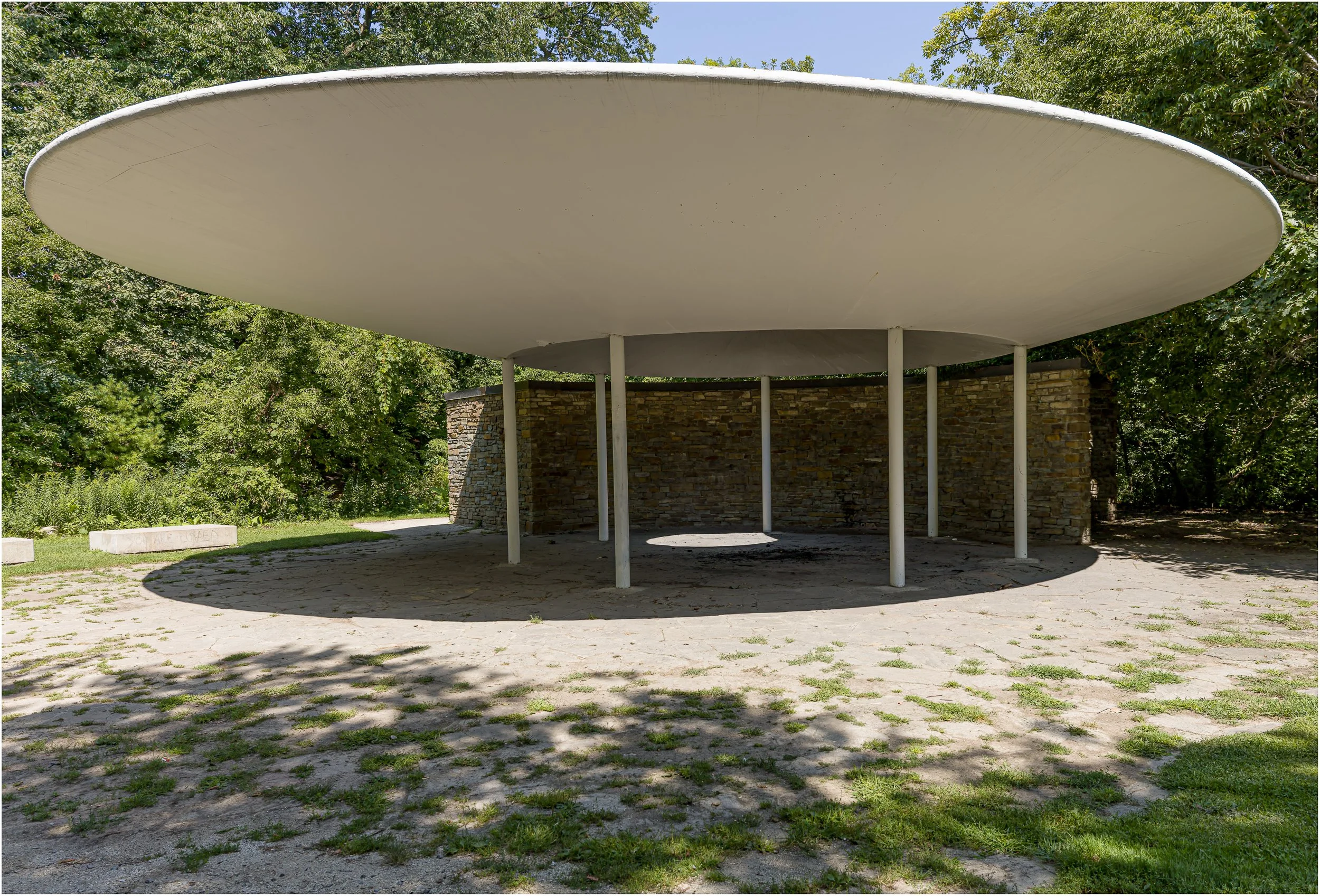
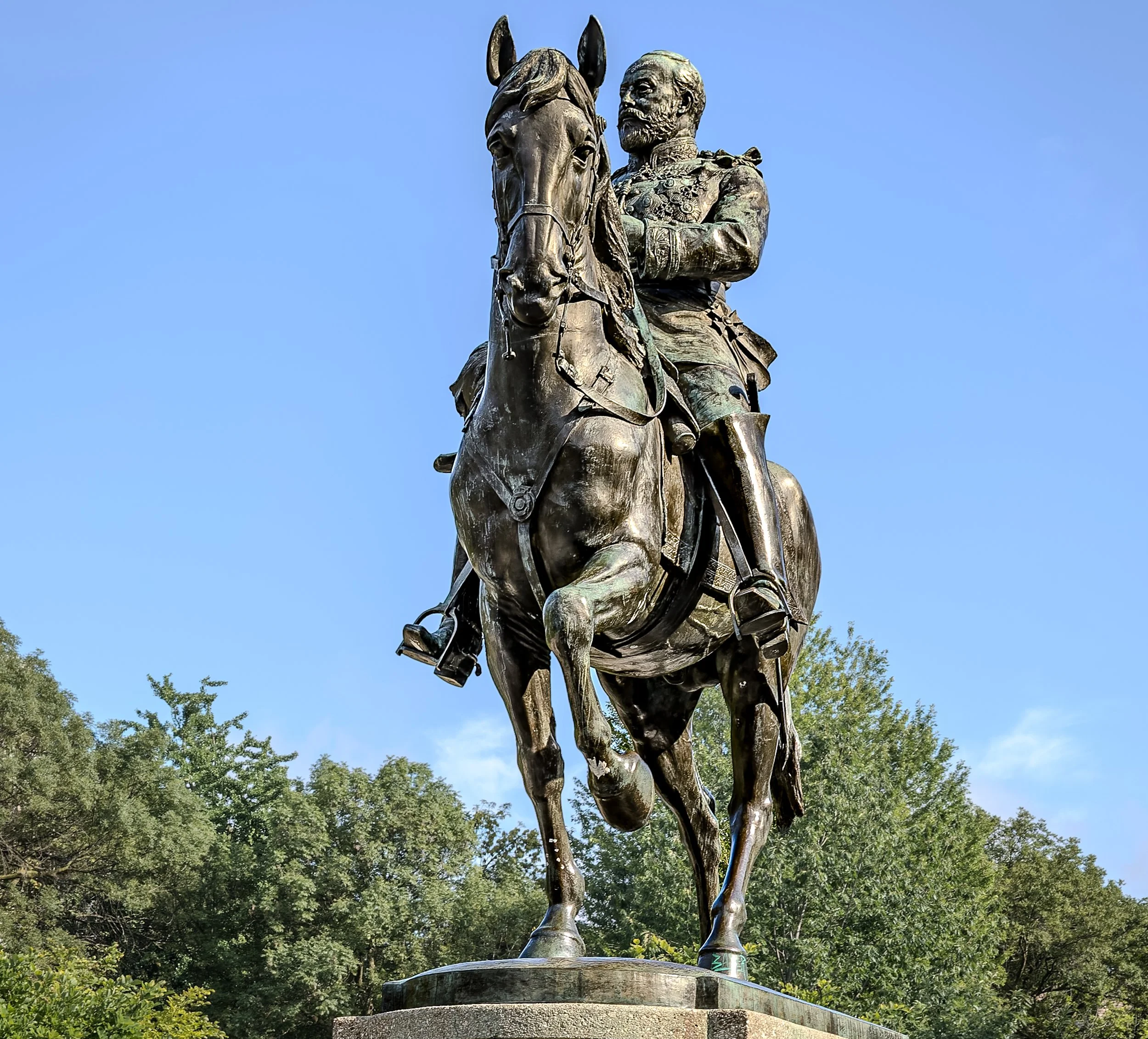
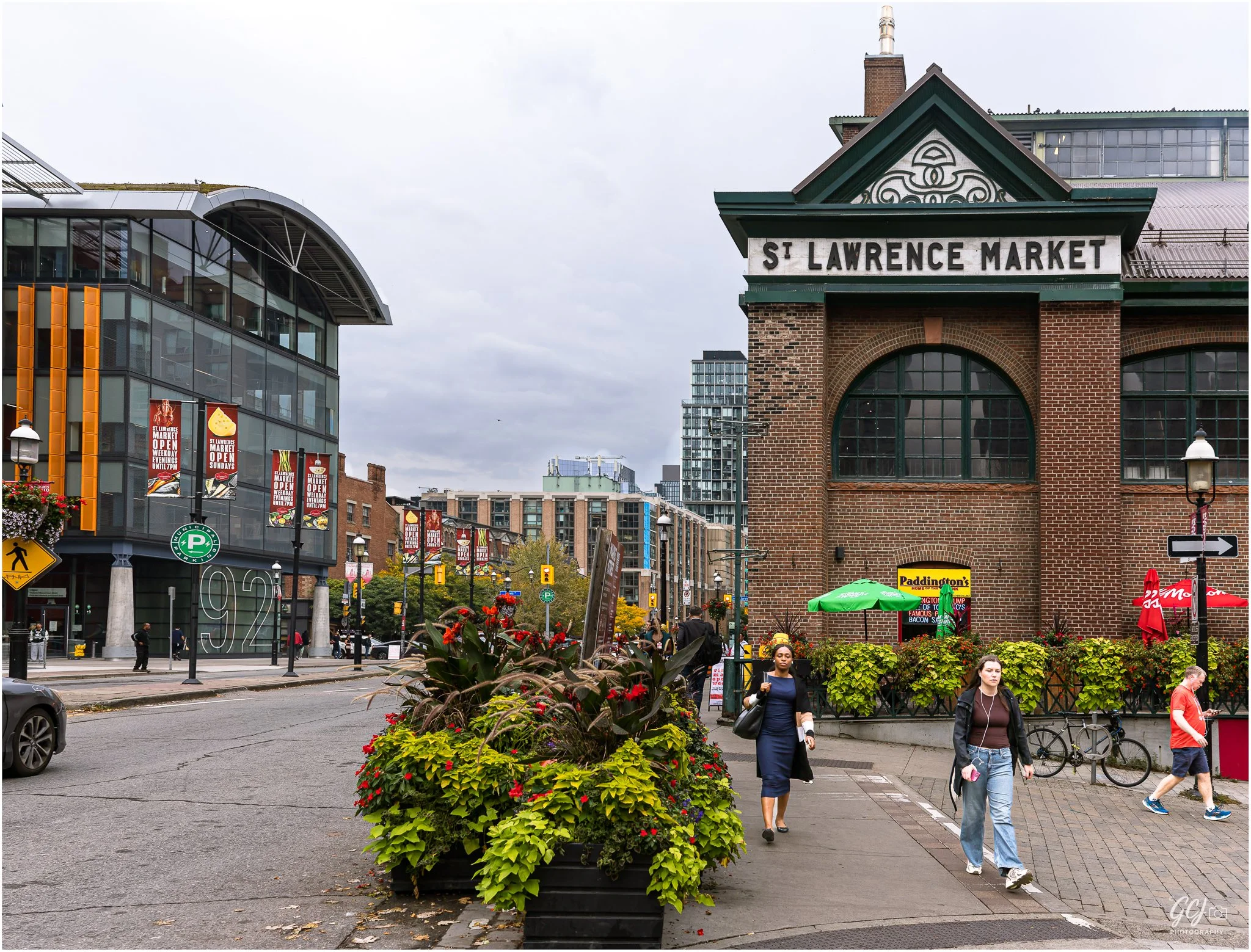
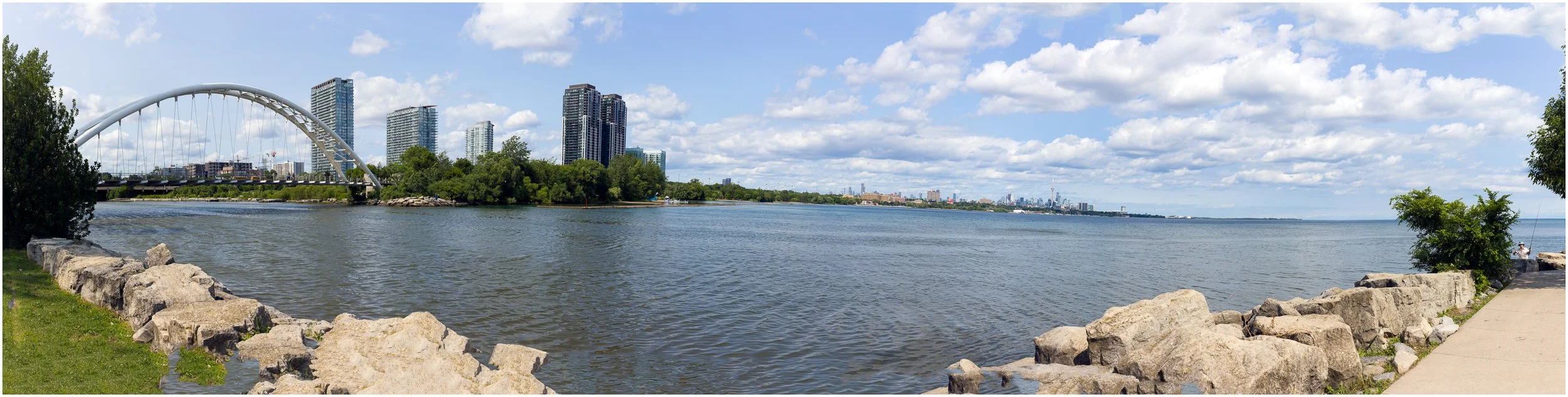
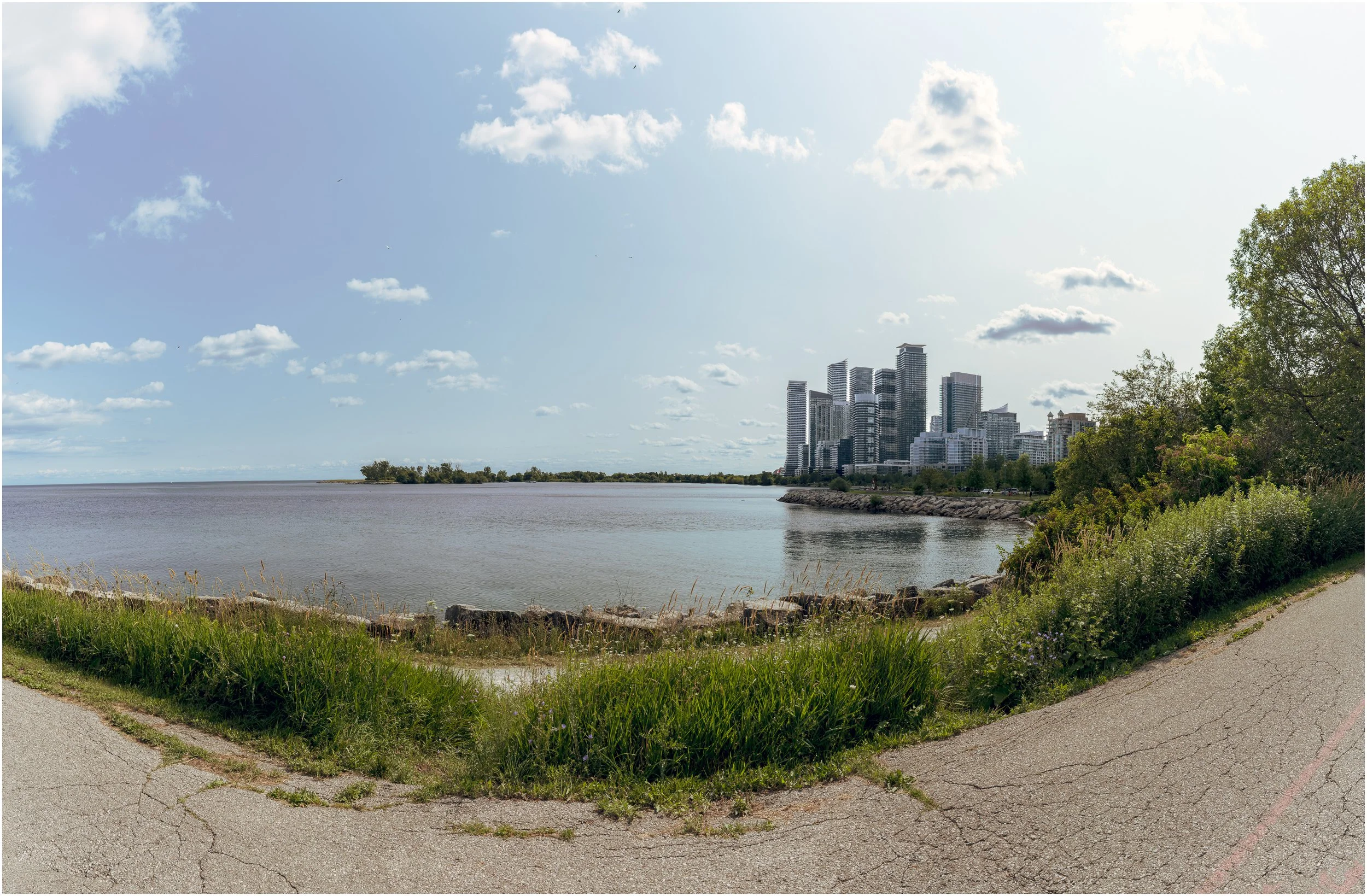
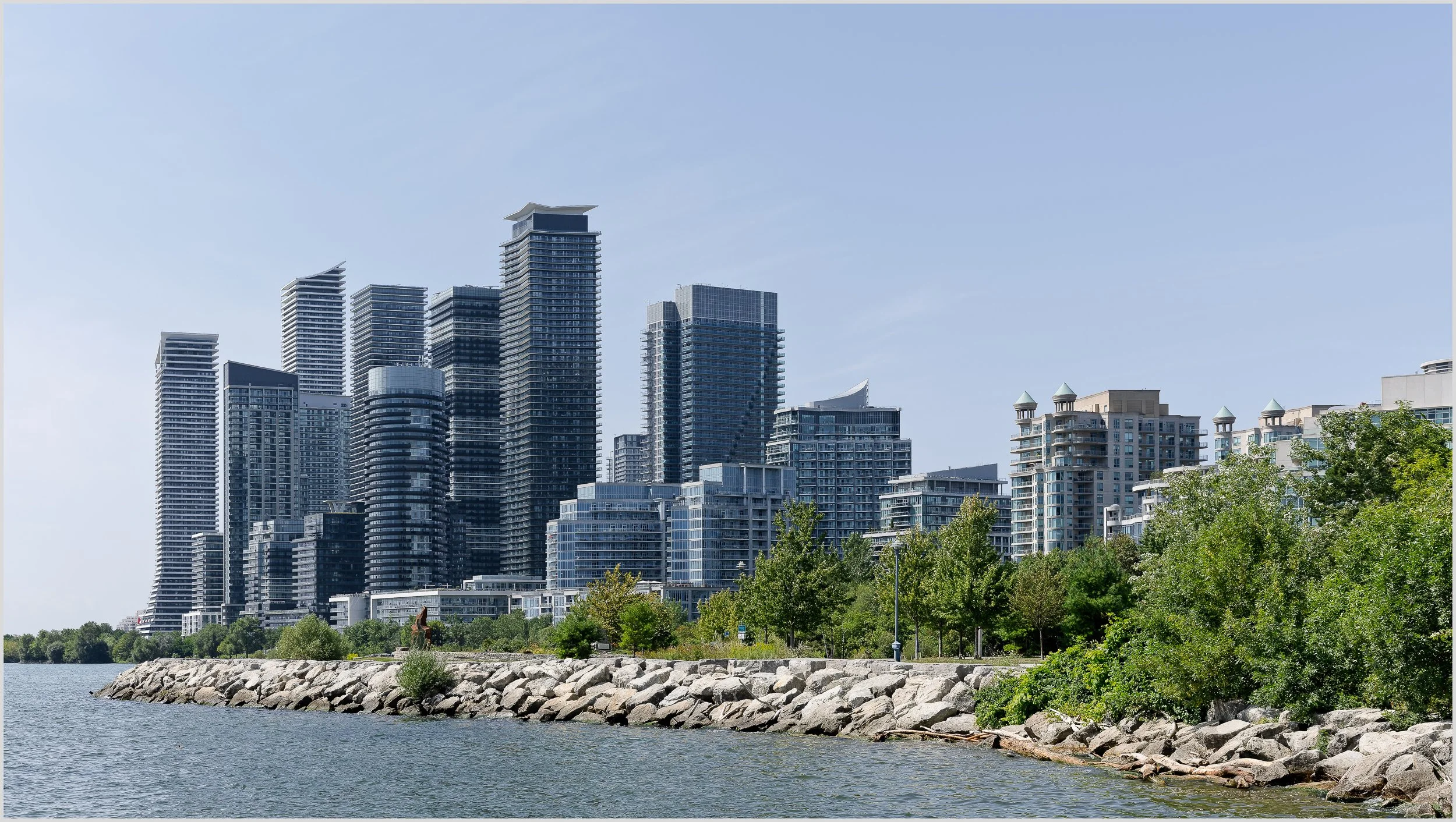
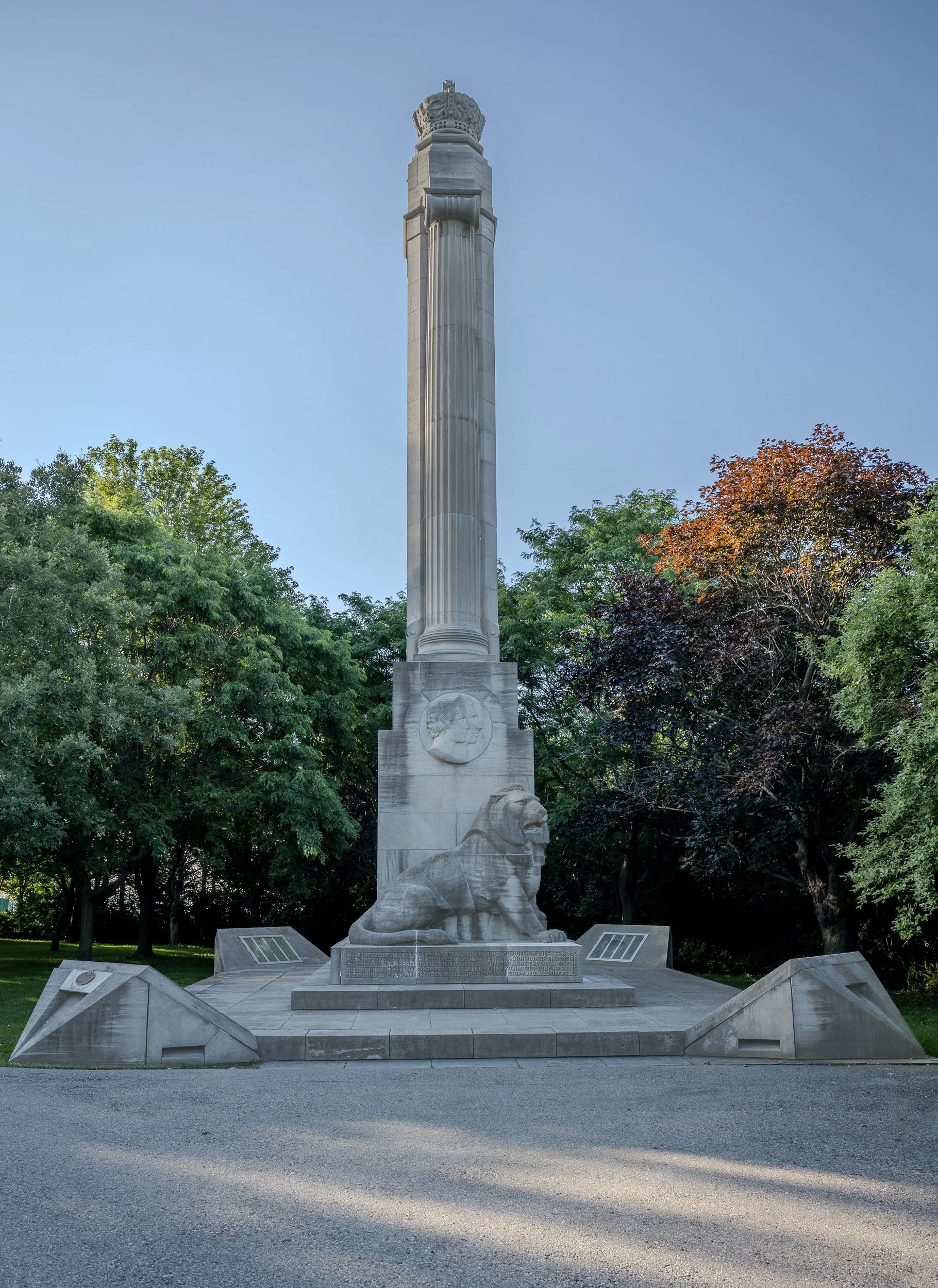

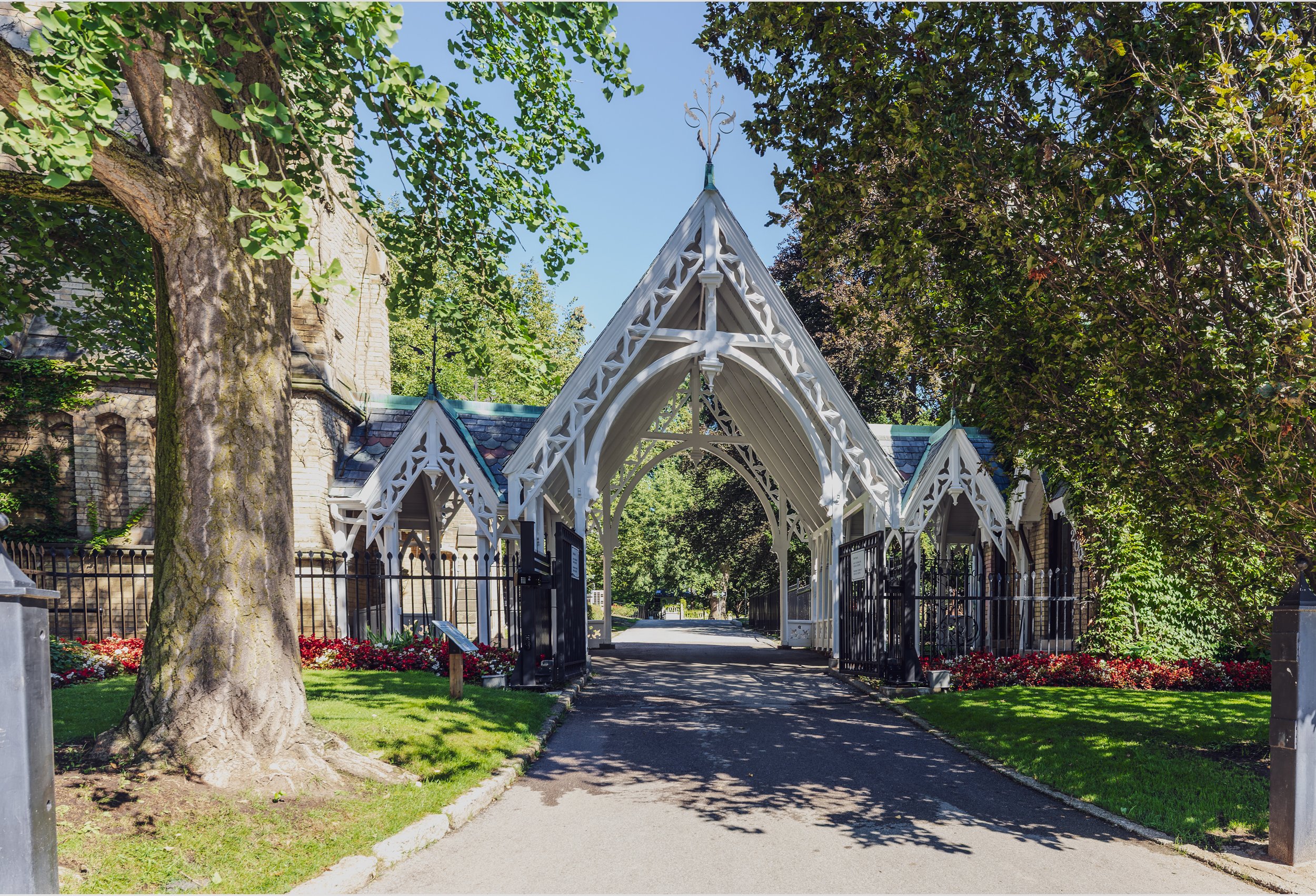
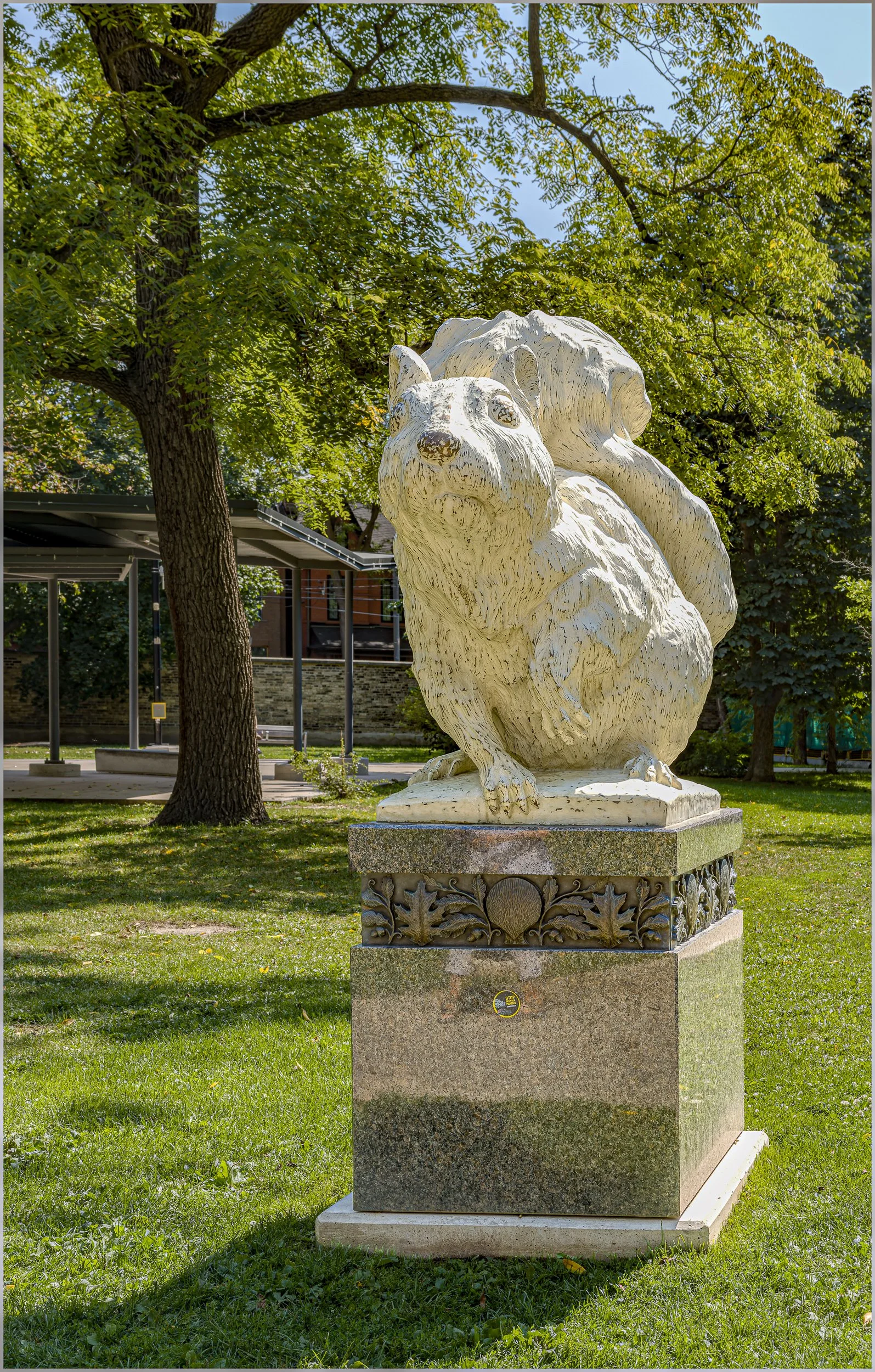
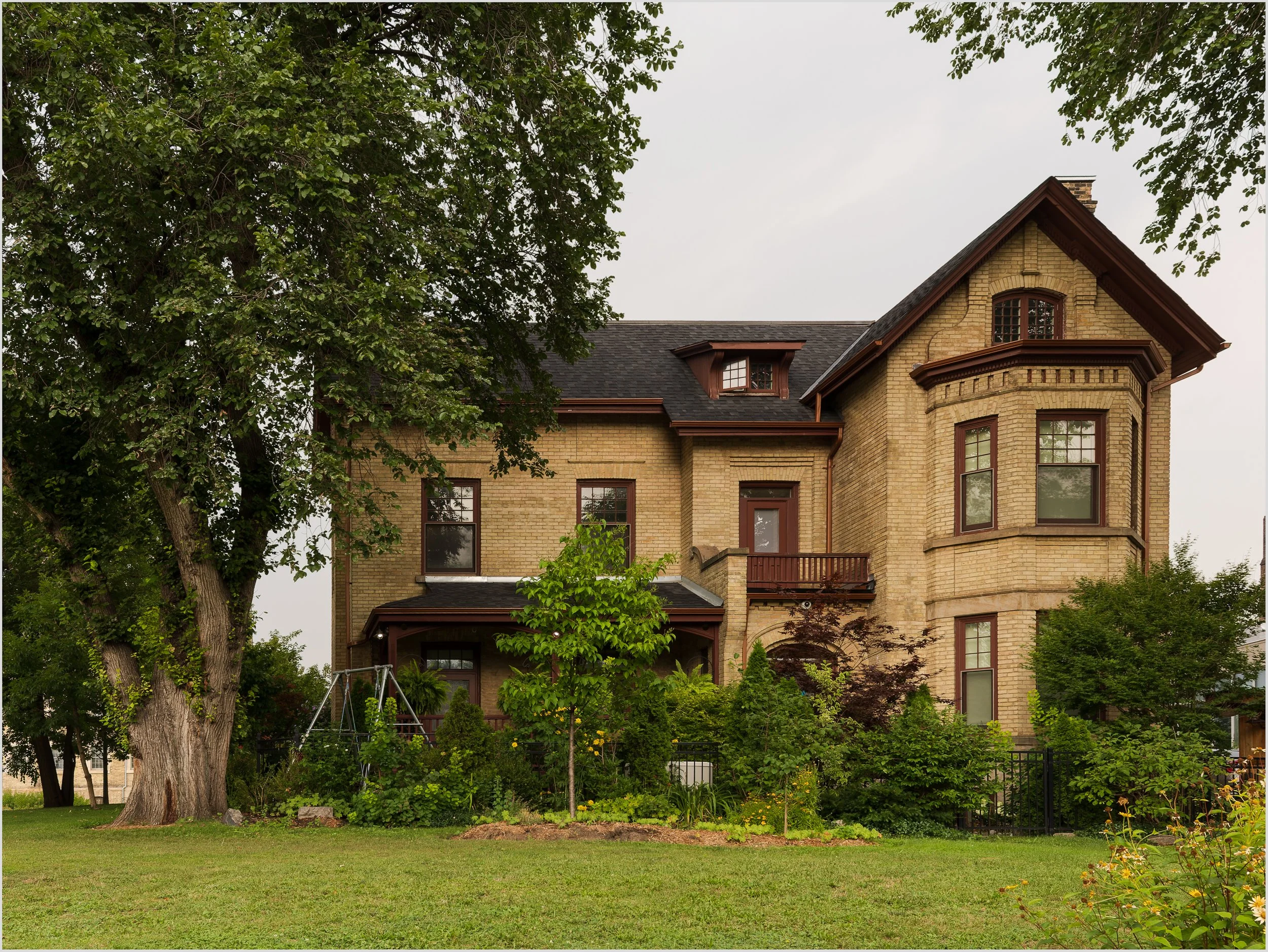
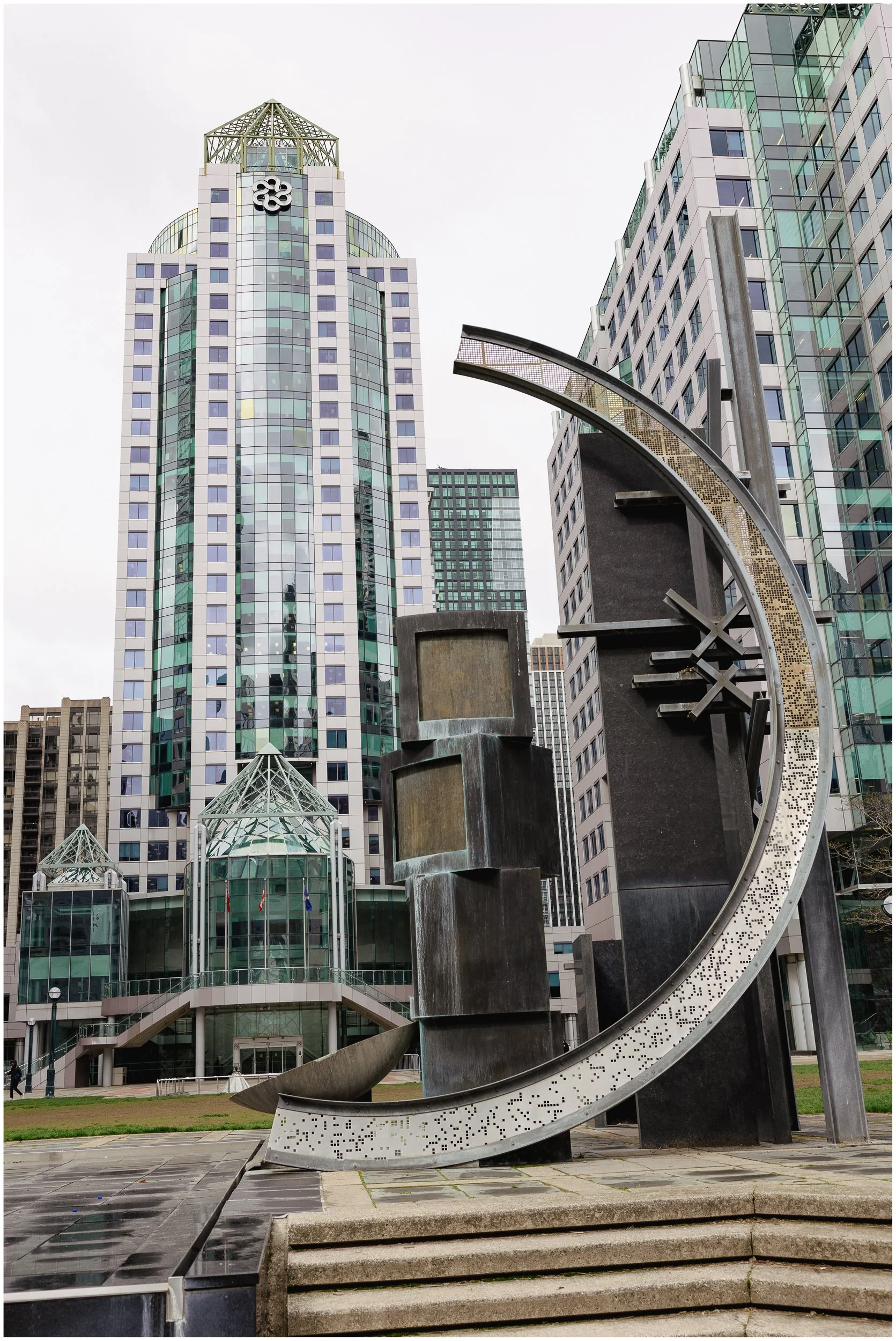
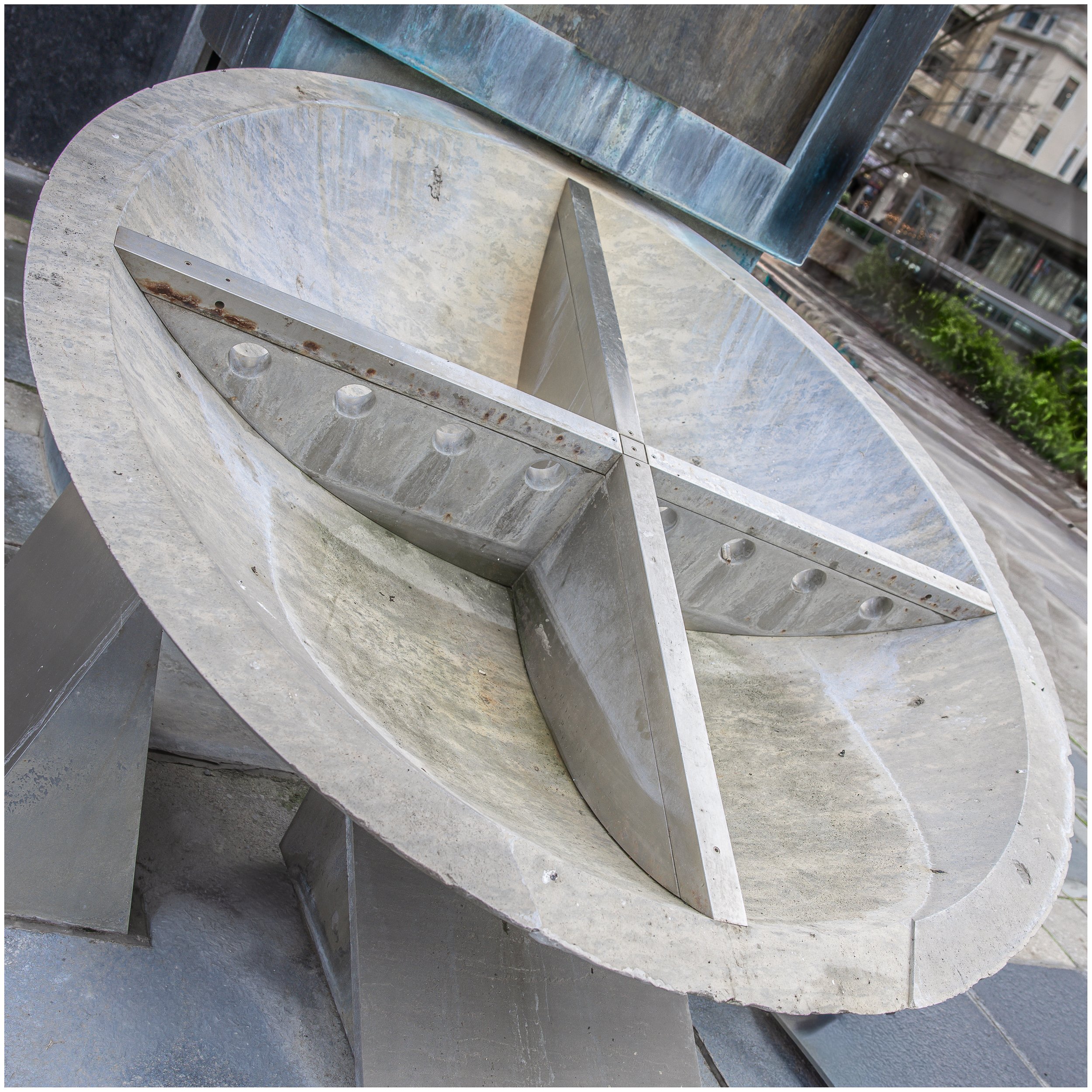
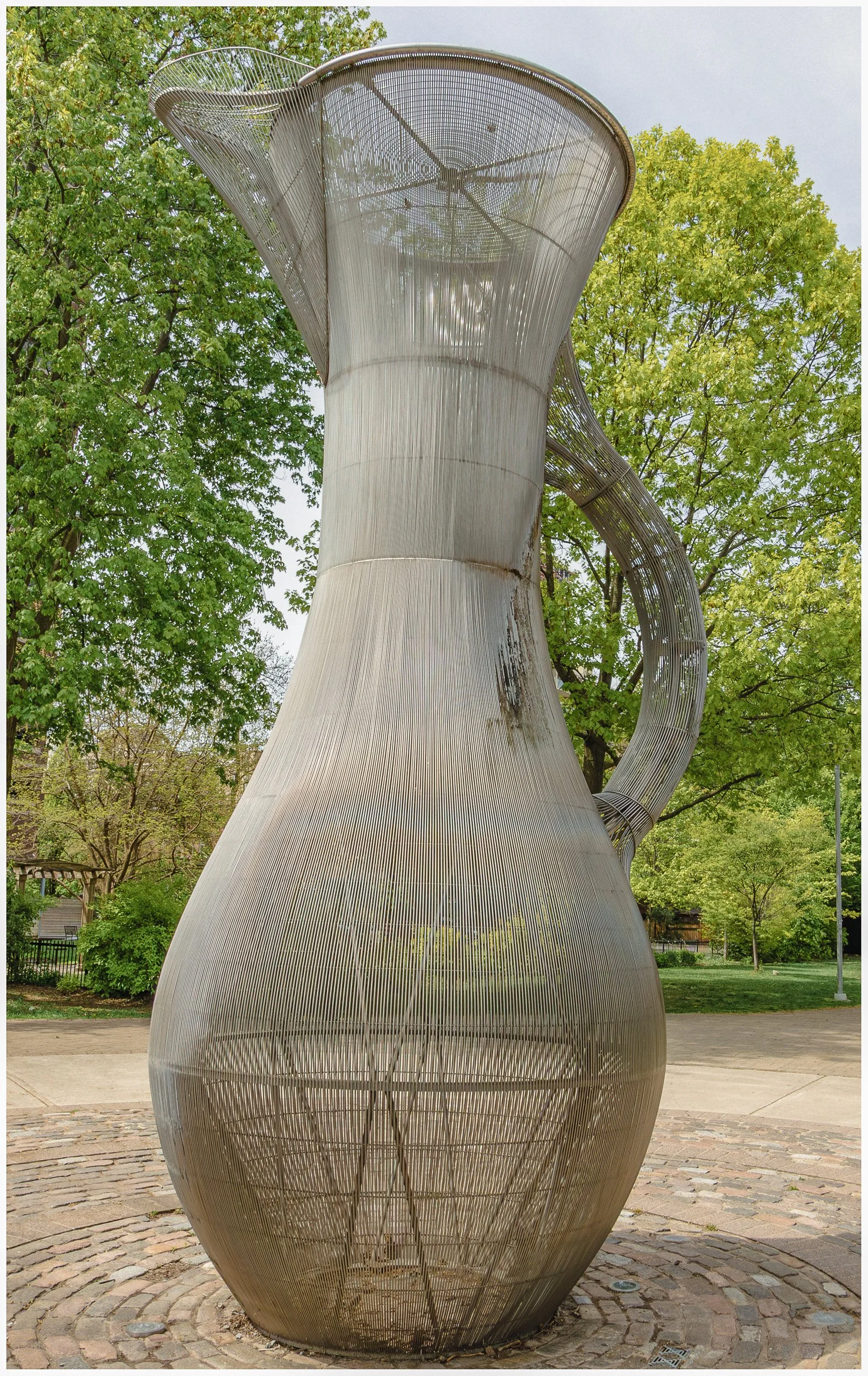
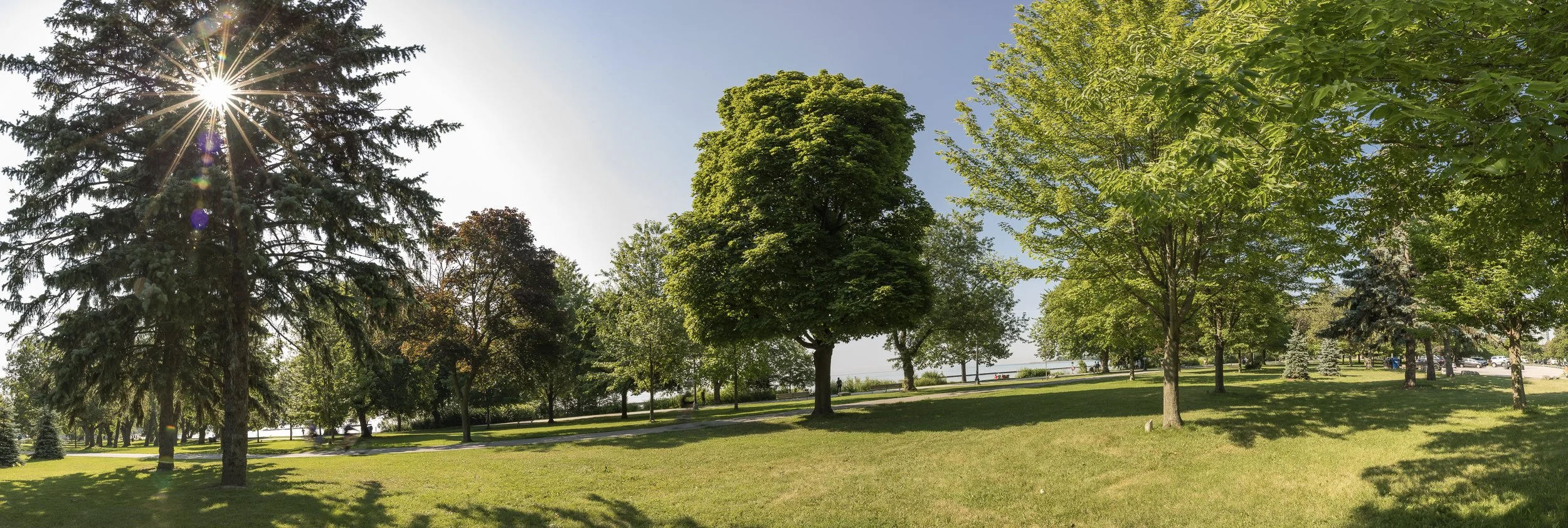
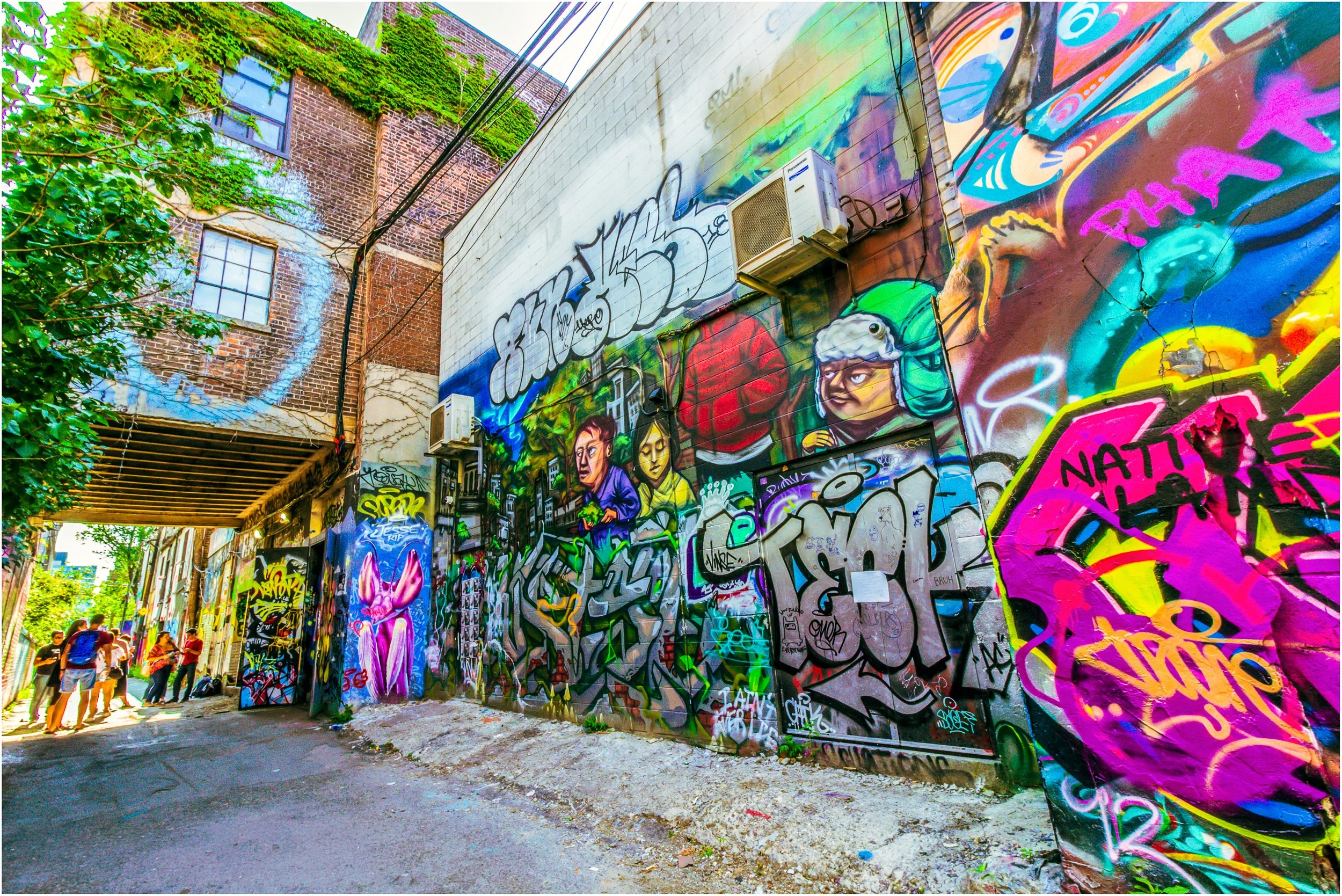
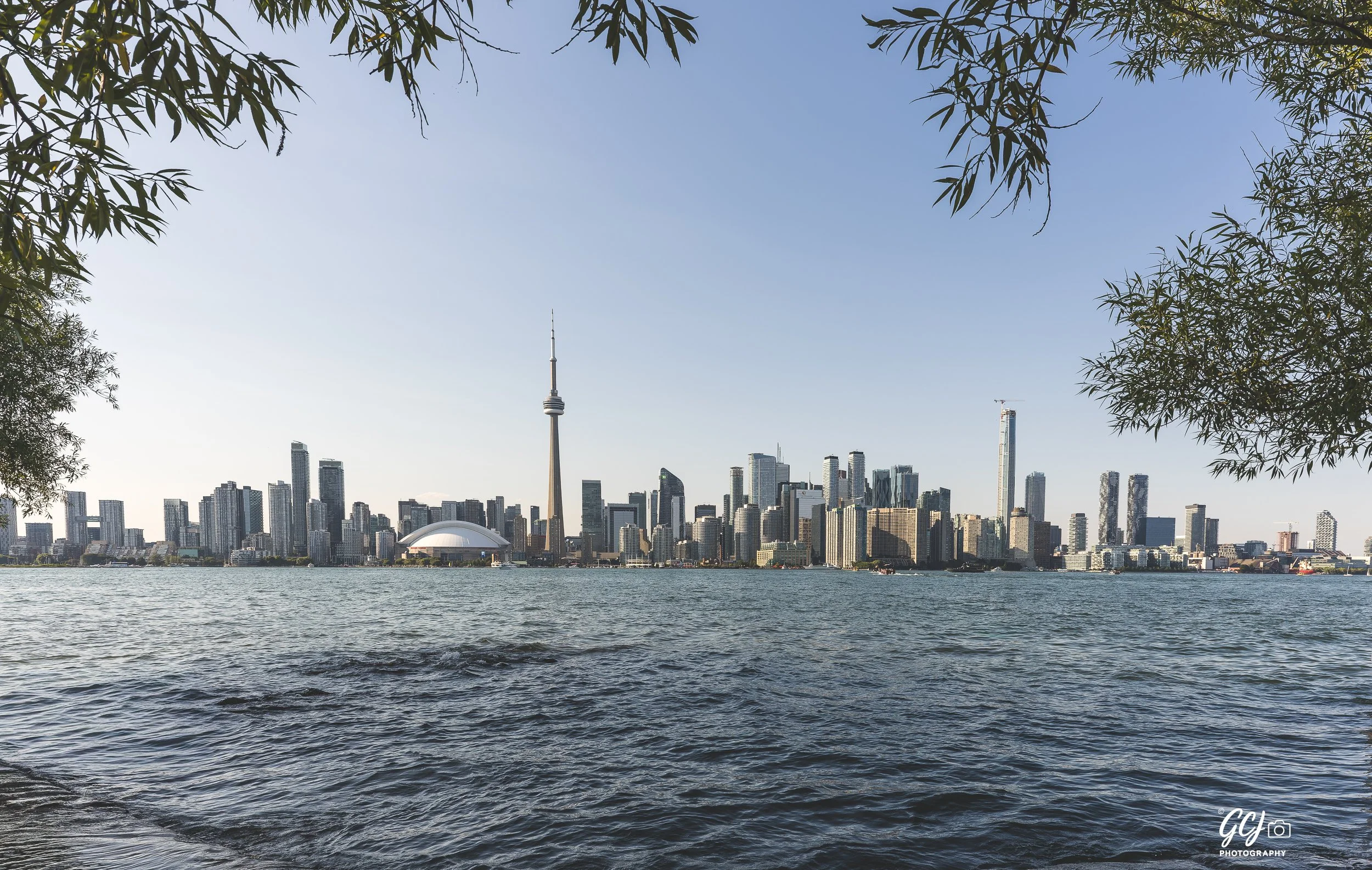
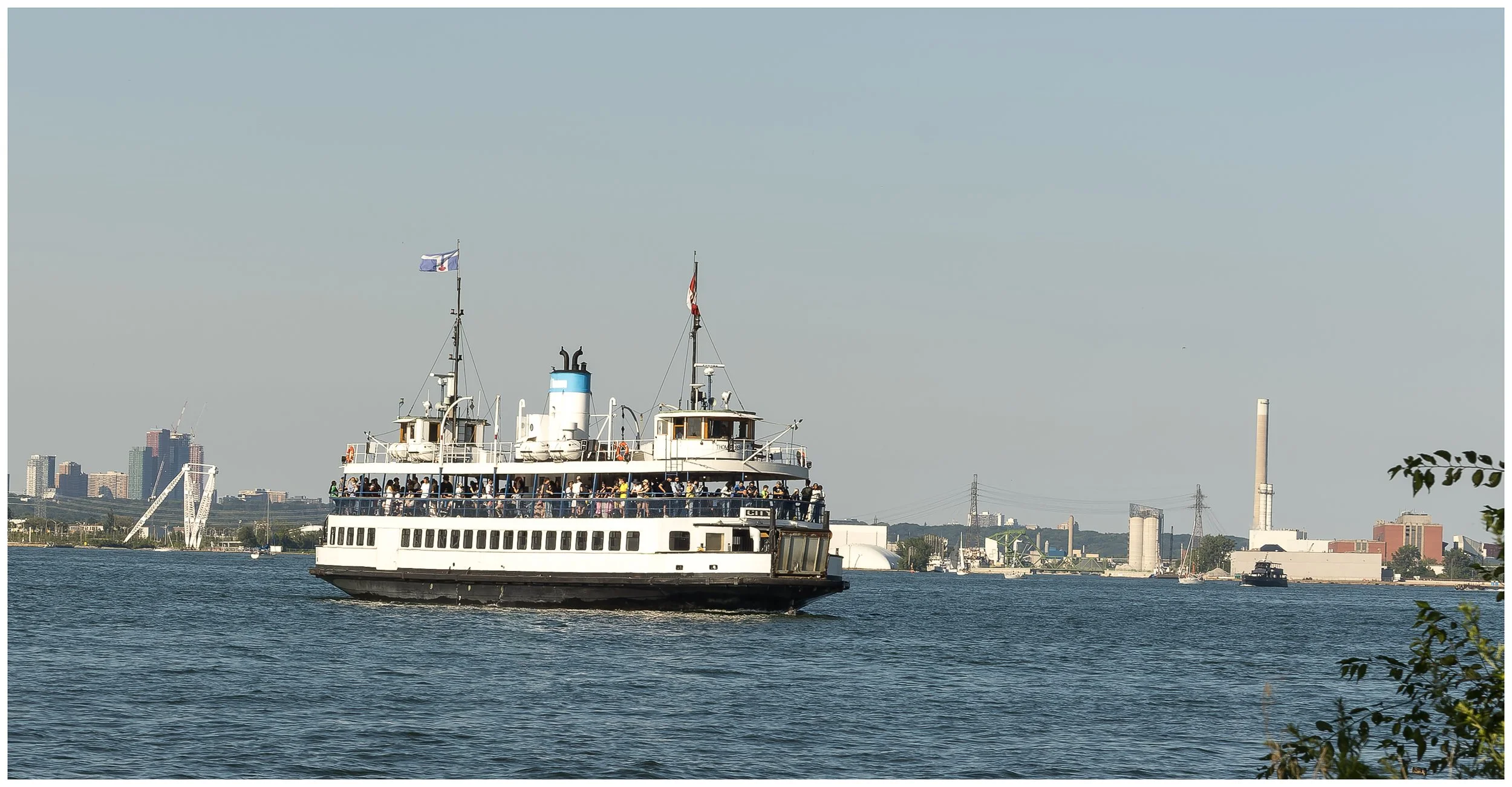
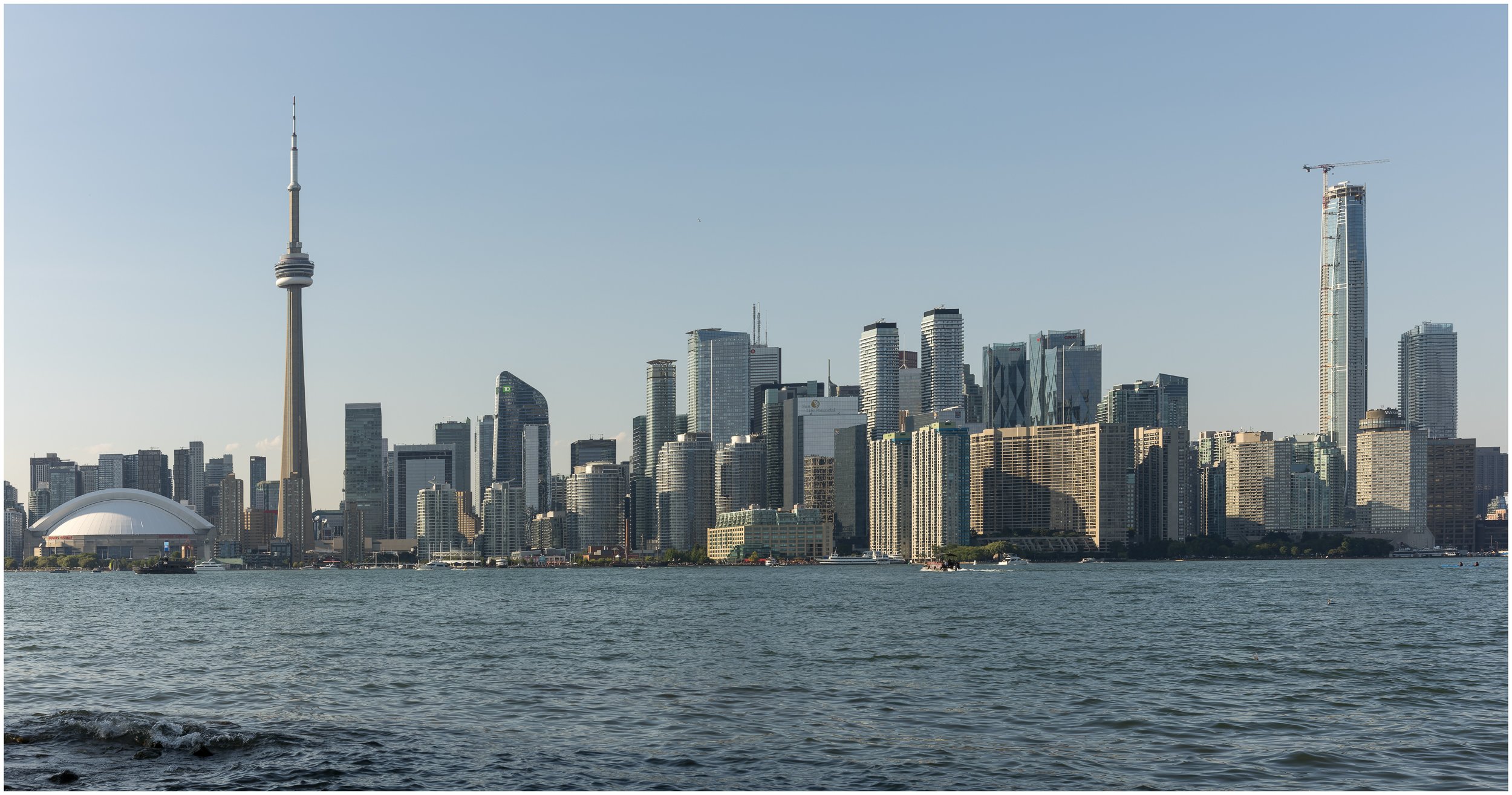
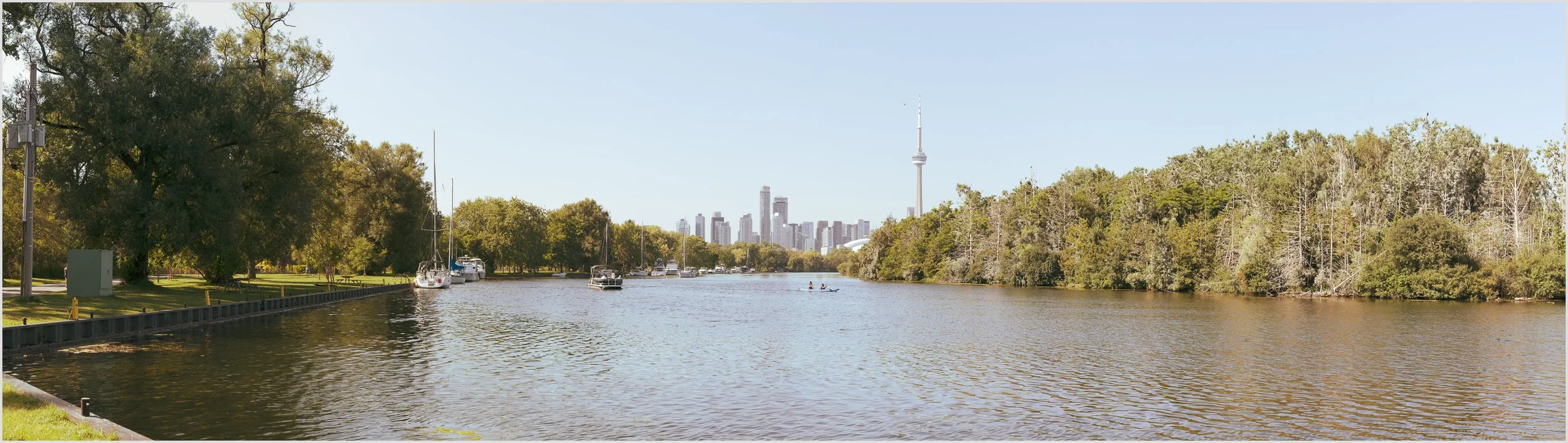
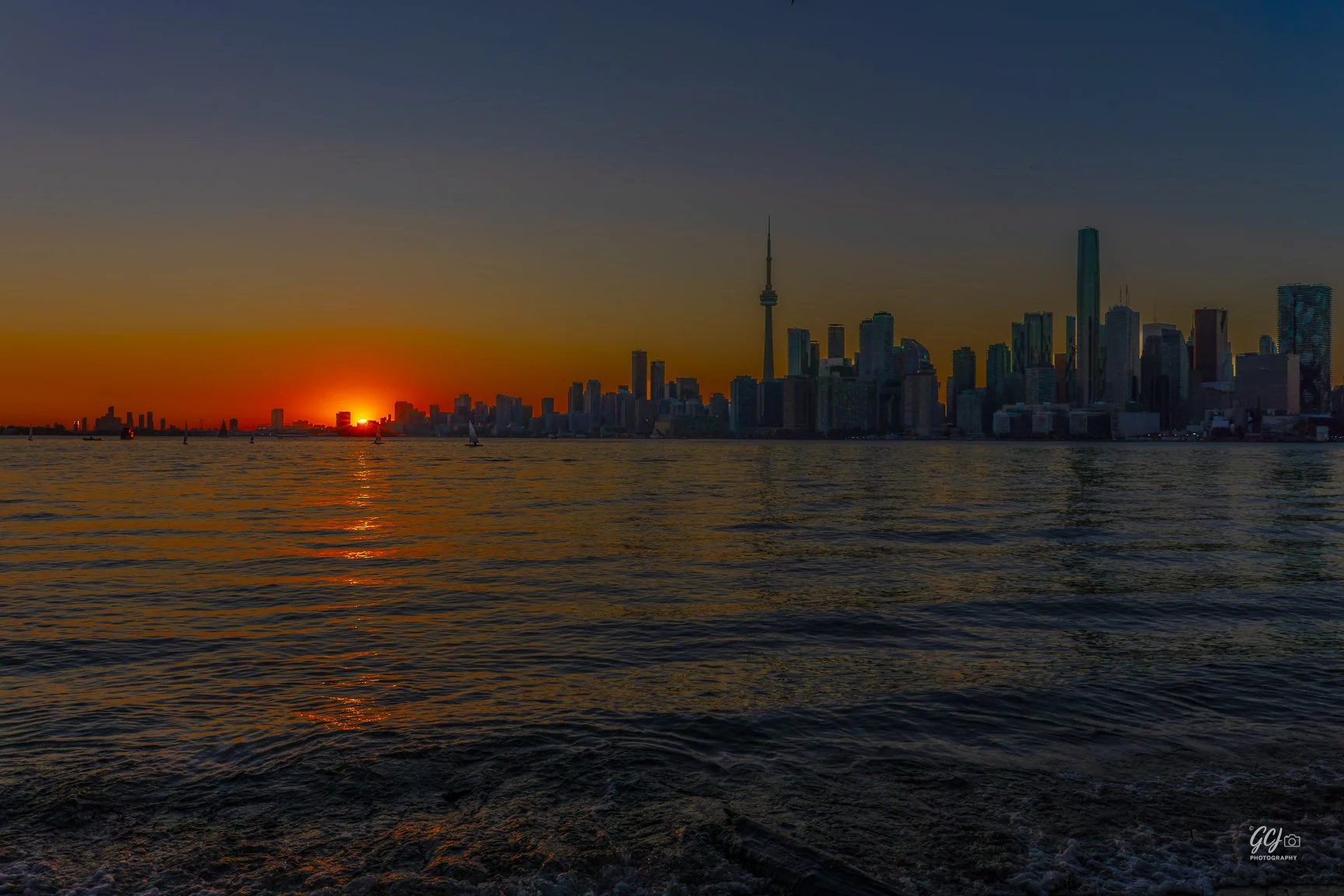
Views From Toronto Island Park
Toronto Island Park offers one of the city’s most distinctive vantage points — a group of 15 islands in Lake Ontario, facing the downtown skyline and connected by pathways and bridges that let you walk from one end to the other. View the full Toronto Island Park map on torontoisland.com. The three main islands — Centre Island, Hanlan’s Point, and Ward’s Island — each offer their own open views across the harbour. Reached by a short 10-to-15-minute ferry ride from Harbourfront, the islands provide a calm, spacious setting that contrasts with the density of the city. These photographs explore the varied landscapes and skyline perspectives found throughout the park.
Stratford — Theatres, Gardens & Civic Life
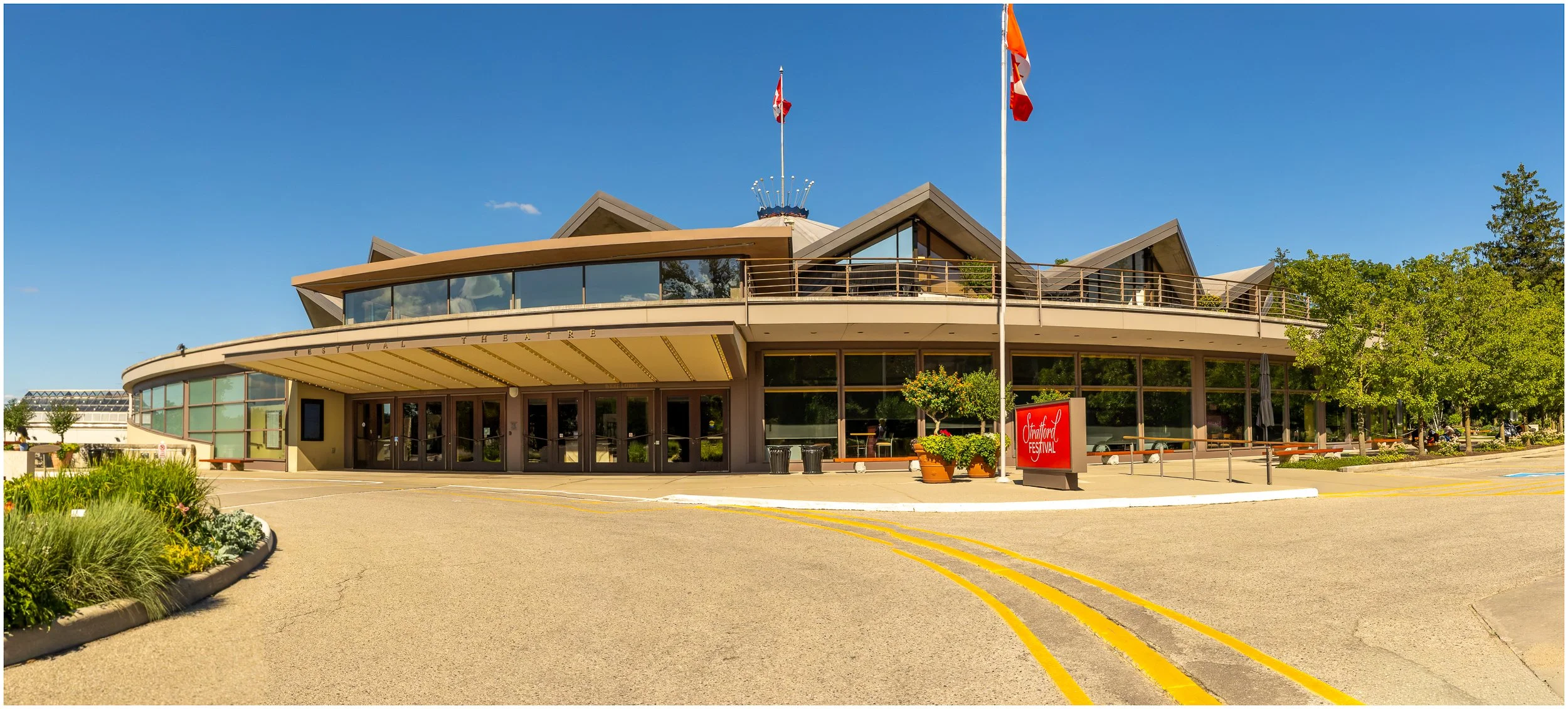
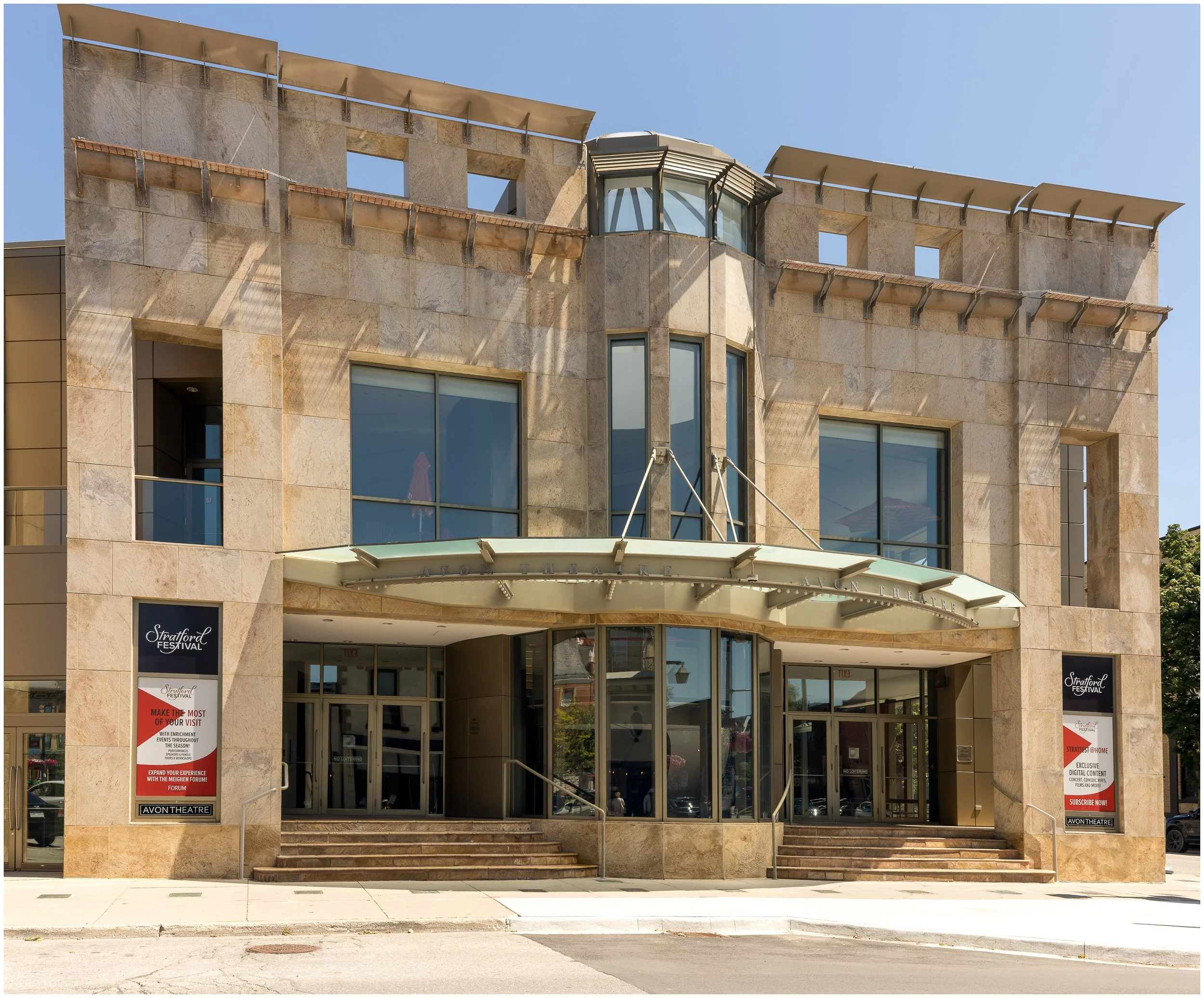
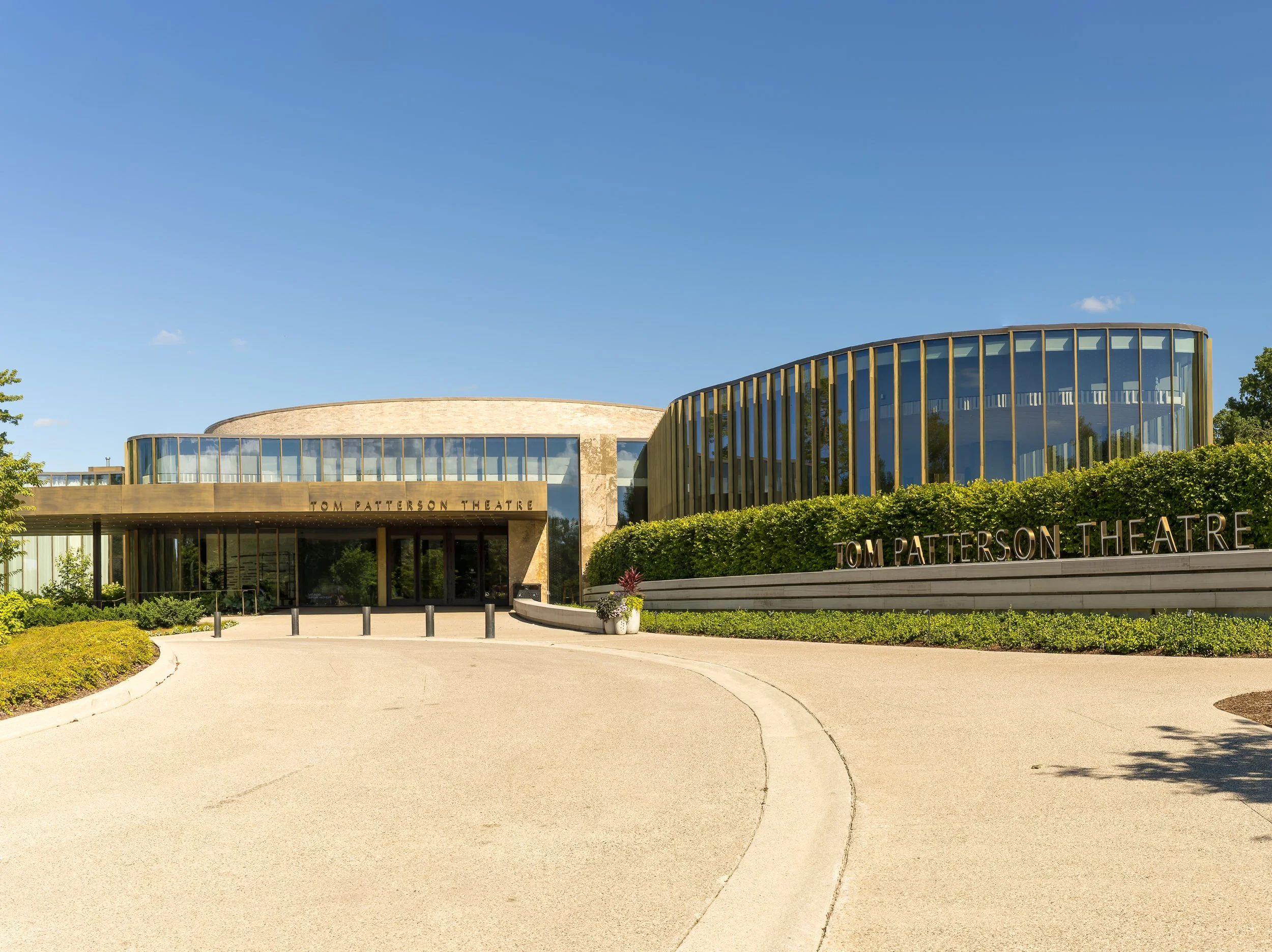
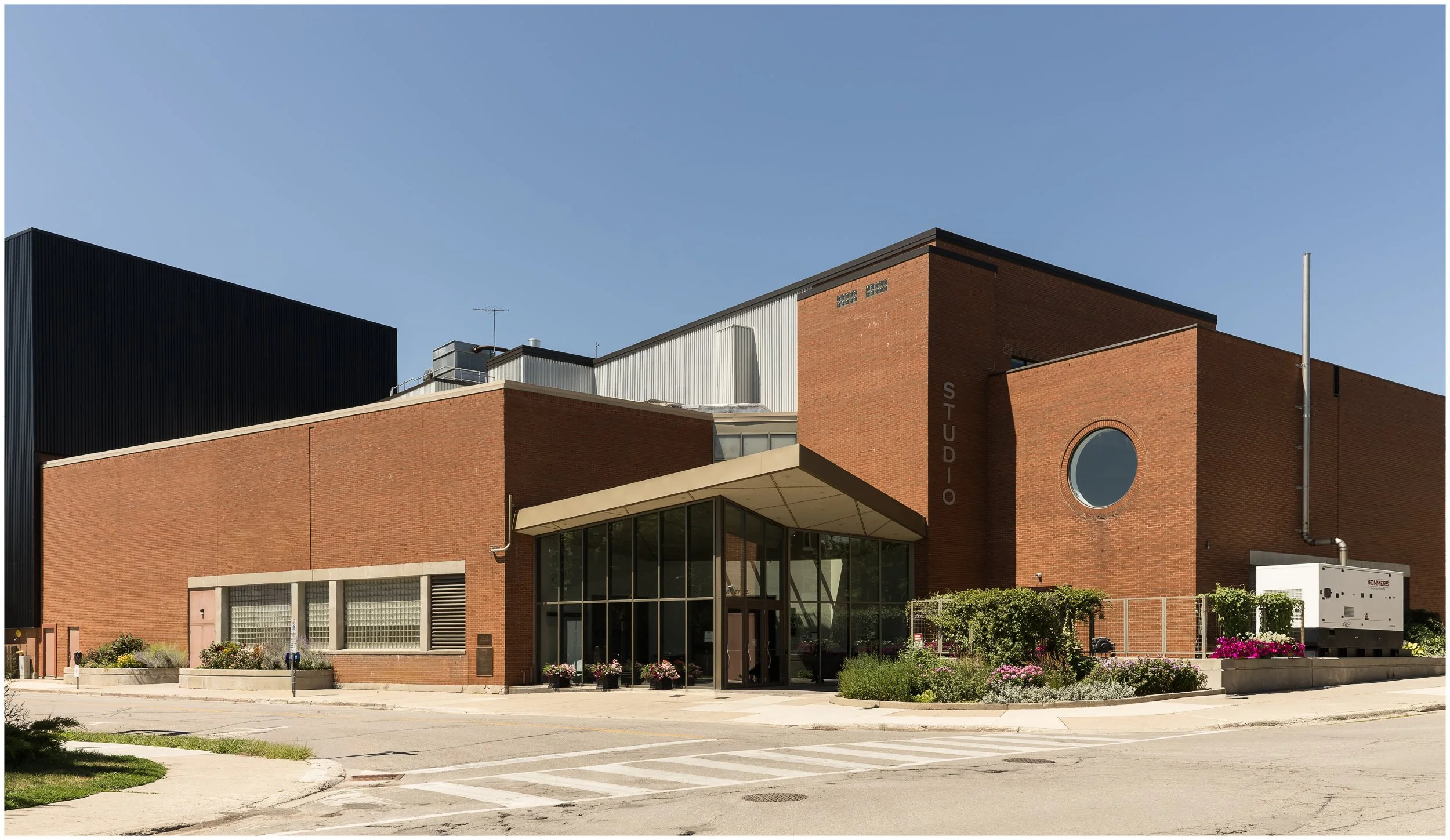
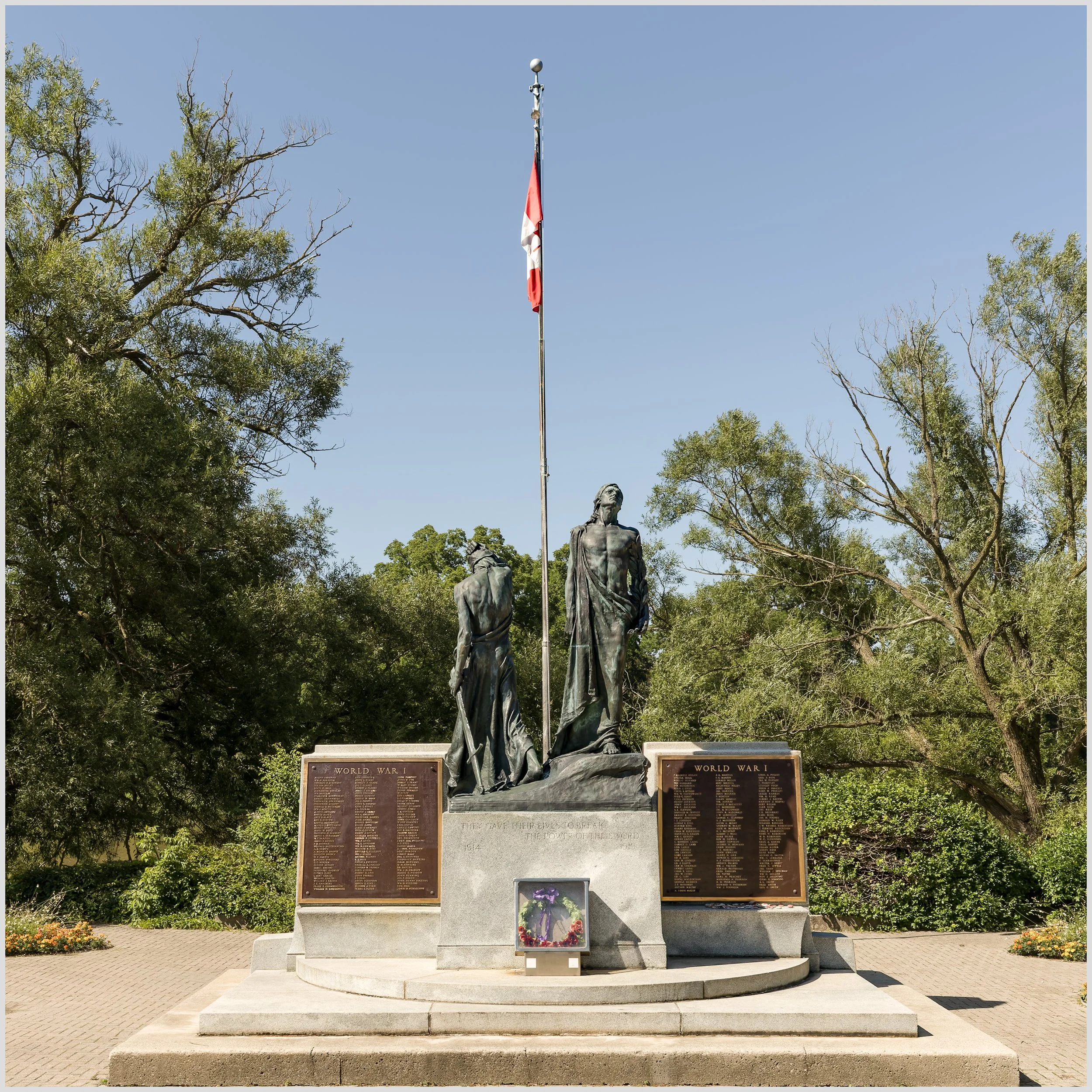
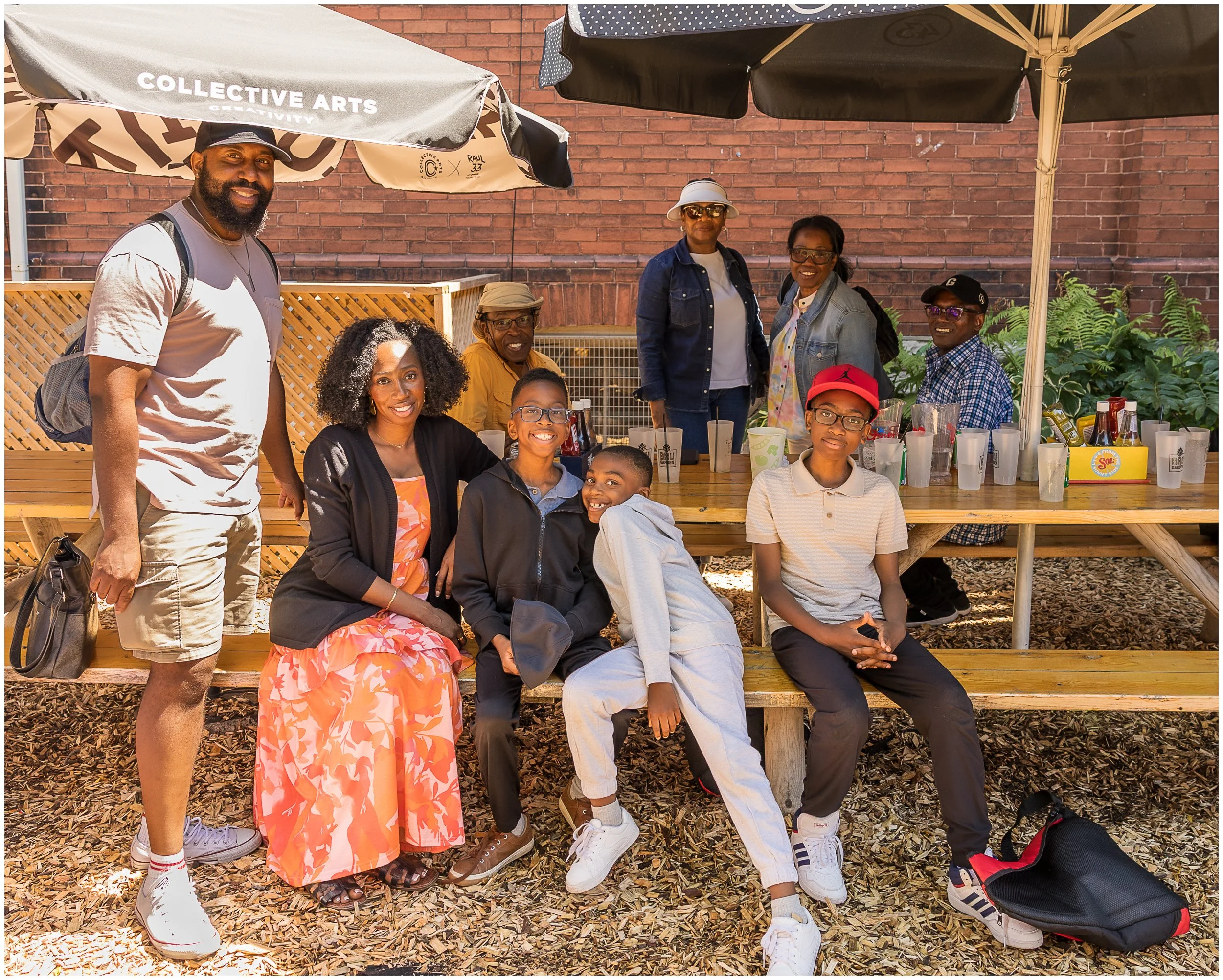
The Civic Holiday offered the perfect backdrop for a day trip to Stratford built around movement, architecture, and shared experience. With GO Transit’s $10 One‑Day Weekend Pass, the journey itself became part of the enjoyment — smooth connections, relaxed travel, and flawless weather setting the tone. Lunch at Bru Garden started our time in Stratford with warmth and character, thanks to a welcoming staff and memorable plates — BBQ Bacon Smash Burgers, Smashburger Tacos, Smash Poutine, and fresh‑cut fries.
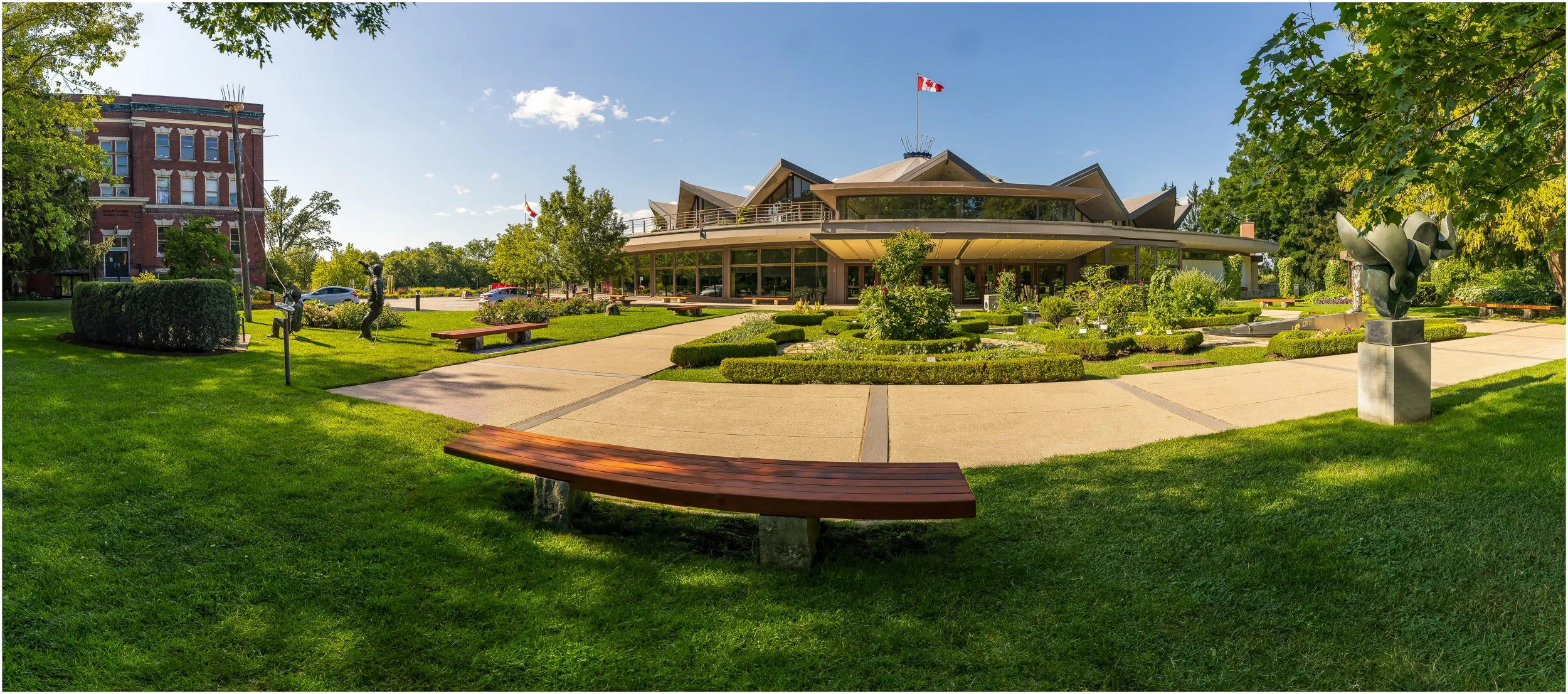
Although its renowned theatres were closed for their Monday rest day, we were still excited to visit and photograph all four — Avon, Studio, Tom Patterson, and Festival — capturing their forms in quiet, off‑stage stillness.
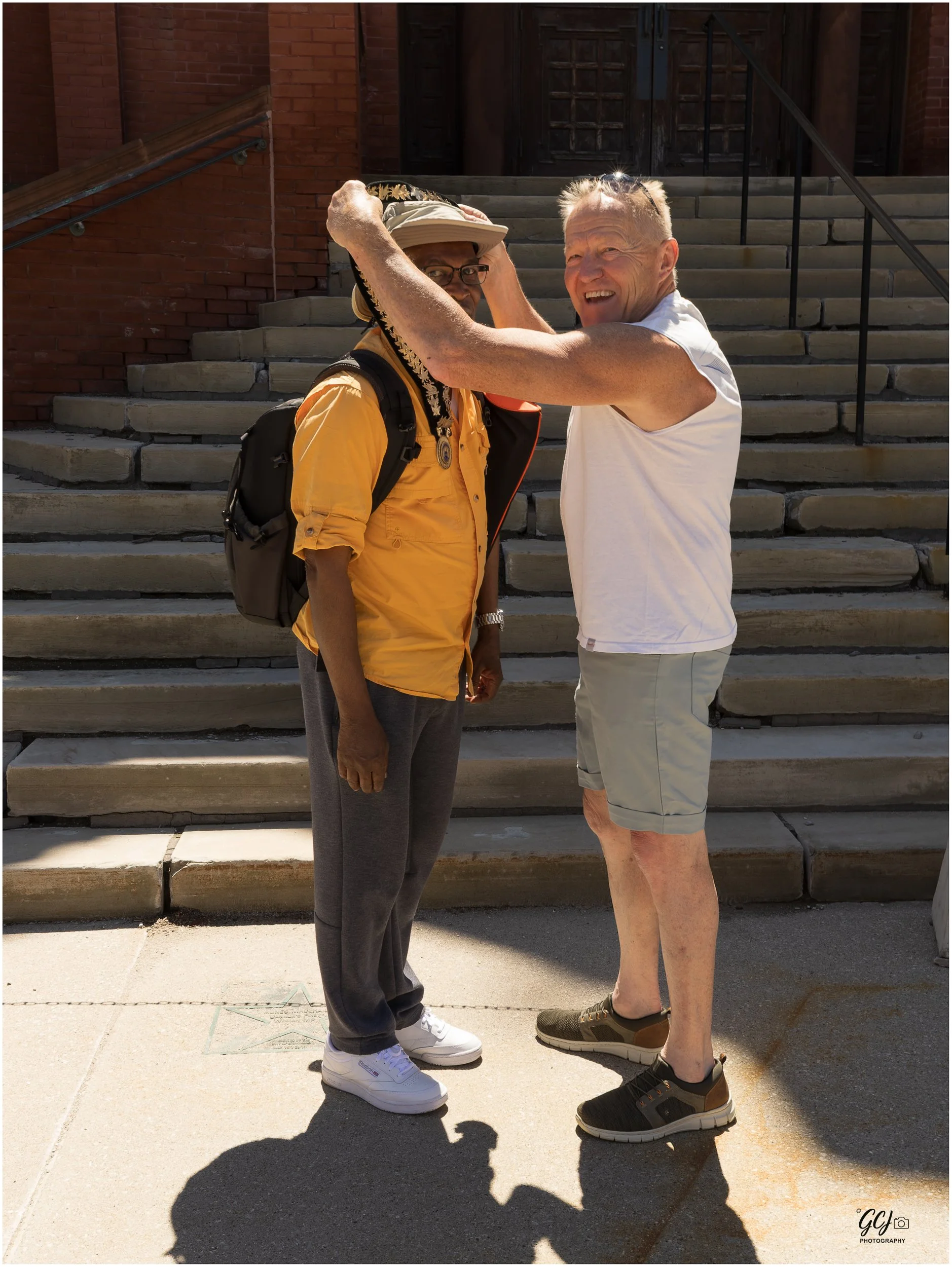
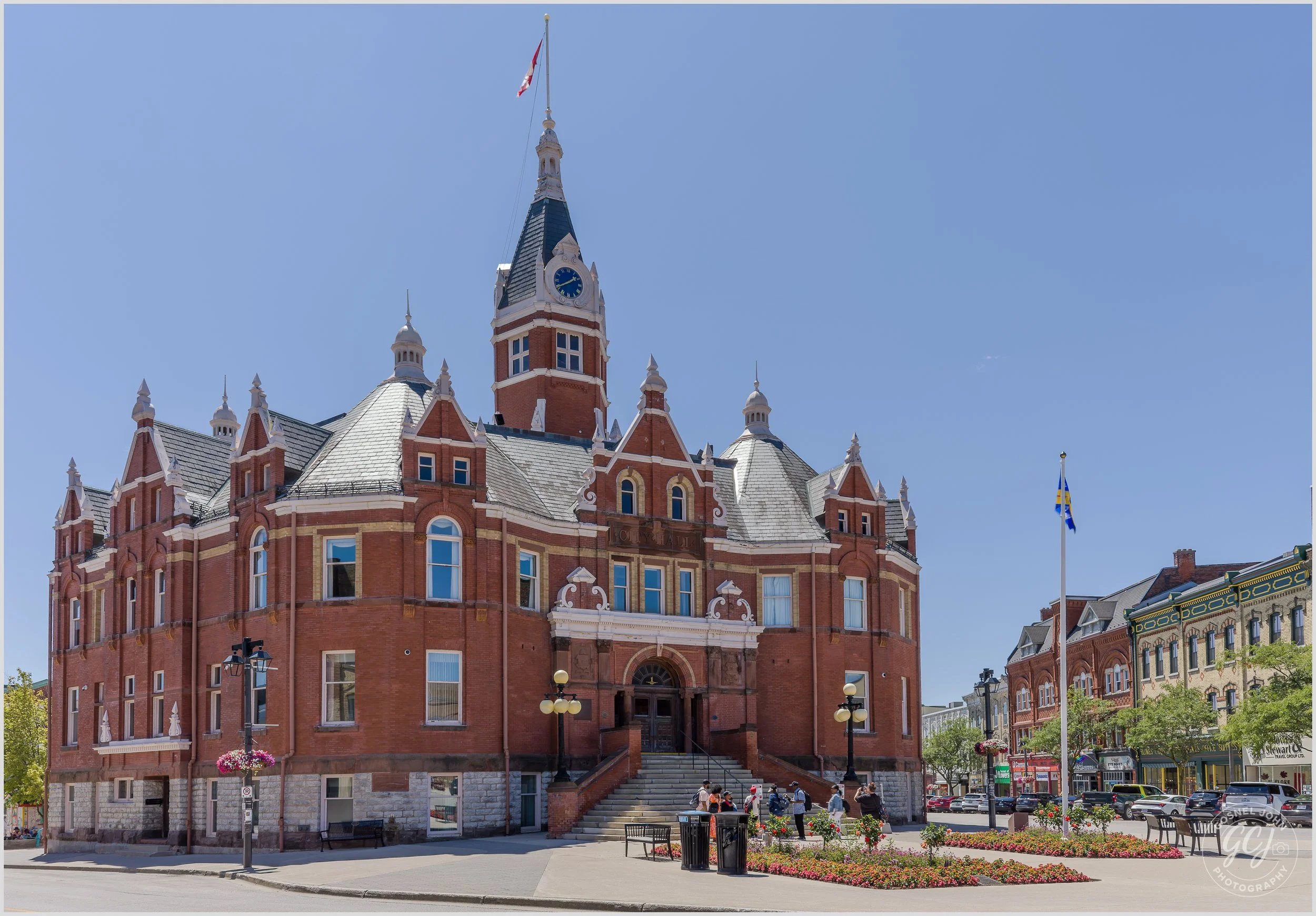
The day’s highlight came unexpectedly at City Hall, where the mayor arrived casually on his bicycle, joined our group, chatted with us, posed for photos, and shared keepsakes.
We continued through Shakespearean Gardens and enjoyed ice cream nearby. Even without seeing the swans, the day was rich, seamless, and deeply enjoyable from start to finish.
Historical Landscapes & Toronto Origins
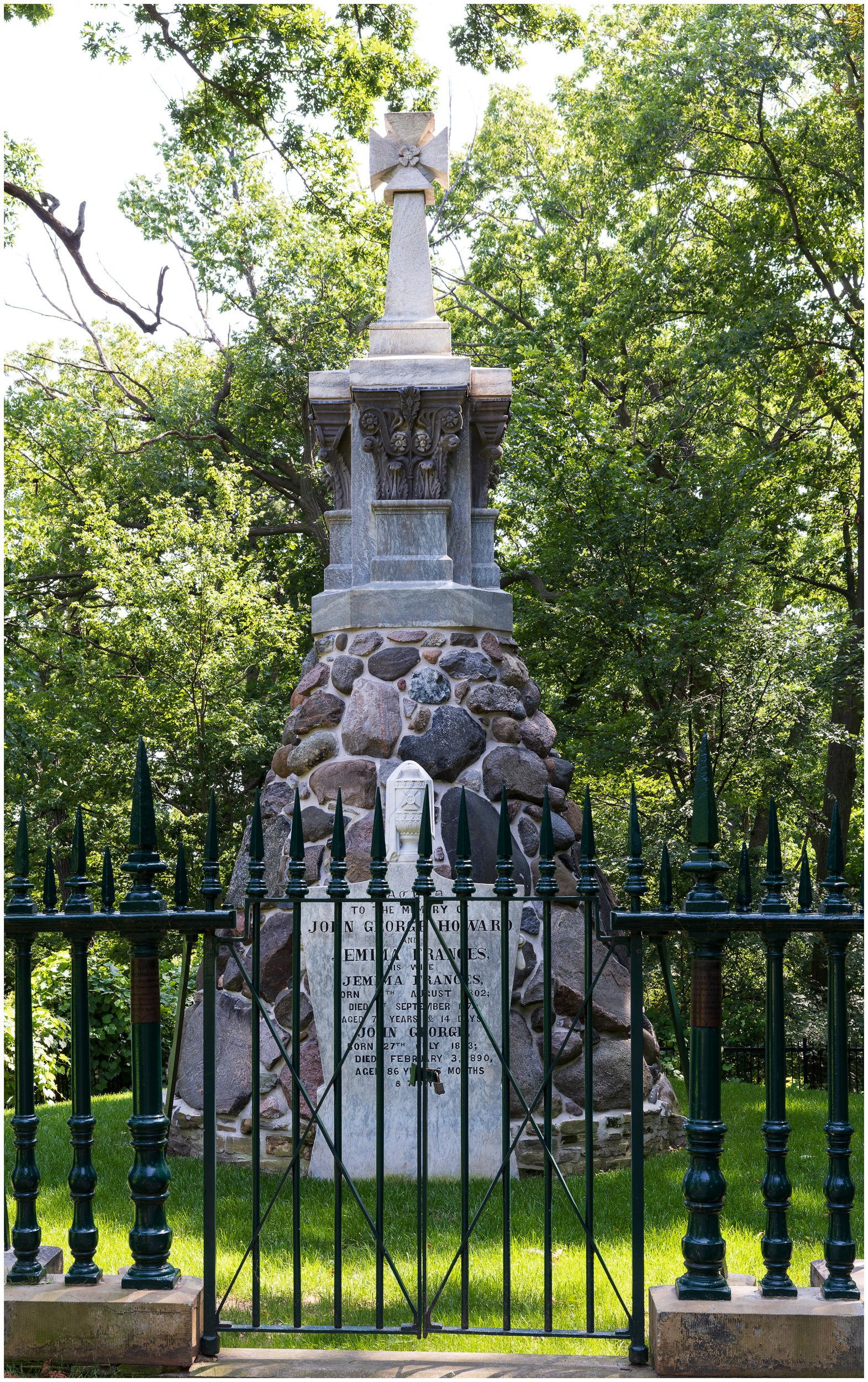
John & Jemima Howard and the Making of High Park
John George Howard (1803–1890) and his wife Jemima Frances Howard (1807–1877) were among the most influential early settlers in Toronto, shaping both its architectural identity and its public landscape. Arriving from England in 1832, John quickly established himself as an architect, engineer, and the city’s first official surveyor. Jemima, equally creative, shared his artistic pursuits; together they lived as part of Toronto’s early cultural community.
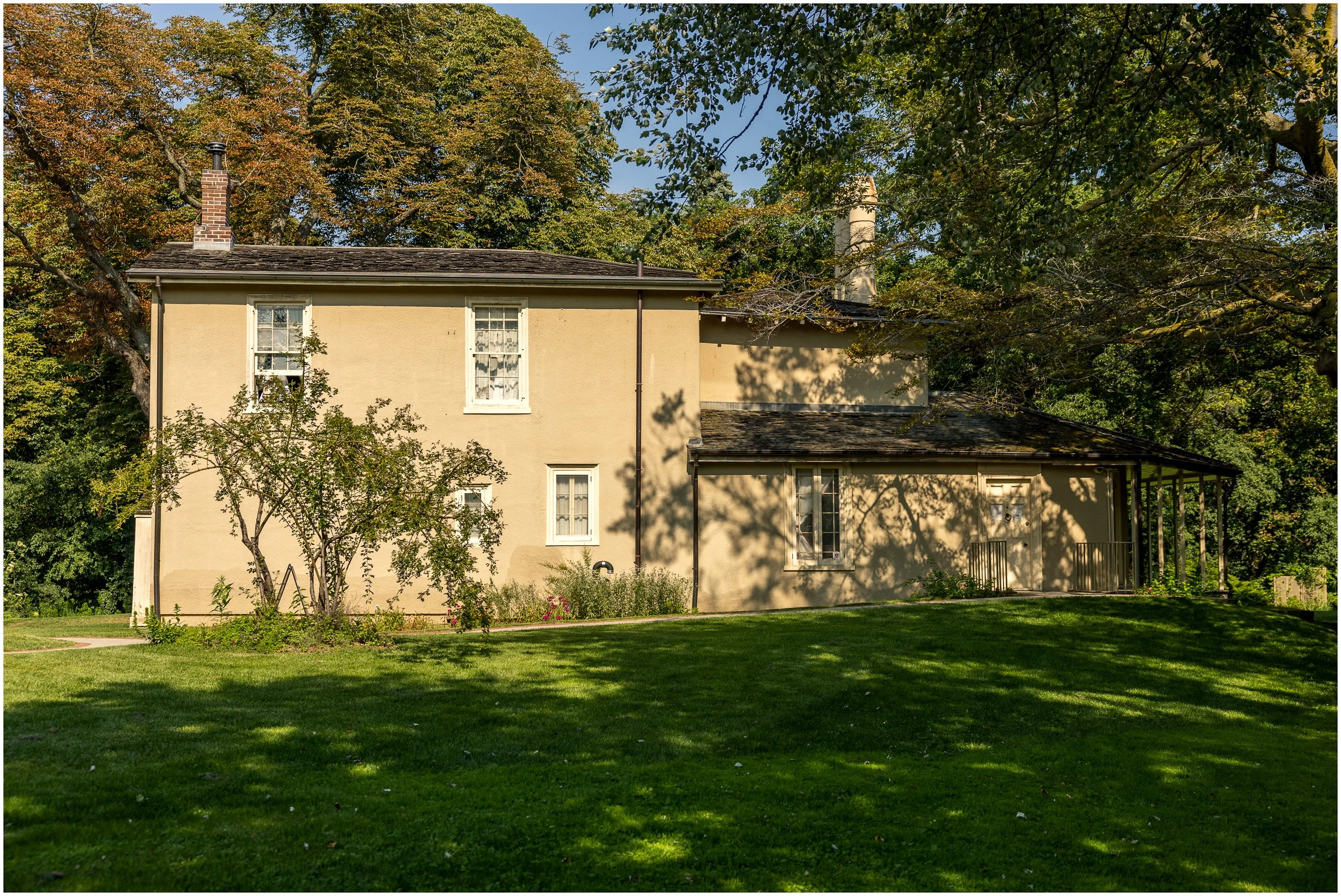
In 1836, the Howards purchased 165 acres of rolling, wooded land stretching from Bloor Street down to the lakeshore. They named it High Park for its elevated views over Lake Ontario. At the heart of the property they built Colborne Lodge, a Regency‑style cottage completed in 1837. It served as their home, studio, and a retreat where they experimented with art, design, and early scientific curiosities. The lodge became the physical and philosophical birthplace of their vision for preserving natural landscapes within a growing city.
By the 1870s, Toronto’s expansion pressed against the rural edges of their estate. Wanting the land to remain a sanctuary of nature, the Howards deeded High Park to the City of Toronto in 1873 under strict conditions: the park must remain largely in its natural state, always be freely accessible to the public, retain the name “High Park,” and prohibit alcohol. In return, the city granted them a pension and guaranteed perpetual care of their burial site.
Their final resting place — the Architect’s Tomb, near Grenadier Pond— marks the culmination of their legacy. Jemima was interred there in 1877, and John in 1890. The monument stands as both a memorial and a reminder that Toronto’s largest and most beloved public park exists because two artists imagined a city where nature and culture could coexist.
Today, High Park remains one of Toronto’s defining landscapes, and Colborne Lodge continues as a museum preserving the Howards’ artwork, architectural drawings, and stories. Nearly two centuries later, their vision still shapes how Torontonians experience urban nature.

Memories & Home


Street Editorials
A small series created during Brogan McNab’s City to Set: Street Shooting and Scouting photowalk, exploring how environment, instinct, and narrative shape on‑location editorial imagery. Shot in real time on the streets of Toronto, these photographs follow Sirat through a sequence of quiet emotional shifts — from tension to release, from inwardness to openness — revealing how the city becomes a set when you learn to see it that way.
Model: Sirat (@sirat_xo)
Photographed during City to Set: Street Shooting & Scouting with Brogan McNab, hosted by Vistek Toronto.
Learn more about Brogan’s work at broganmcnab.com.